+86-573-83996043

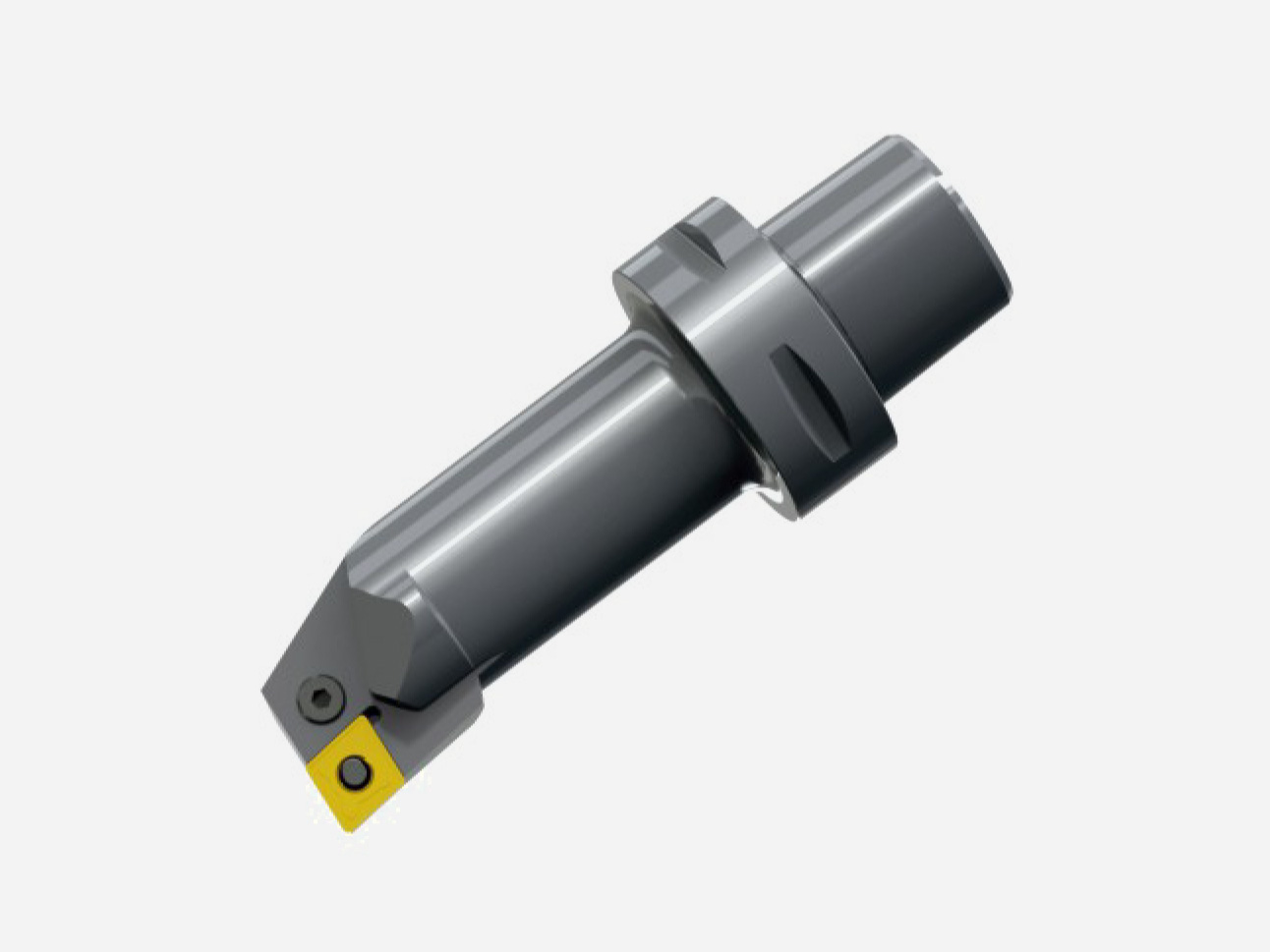
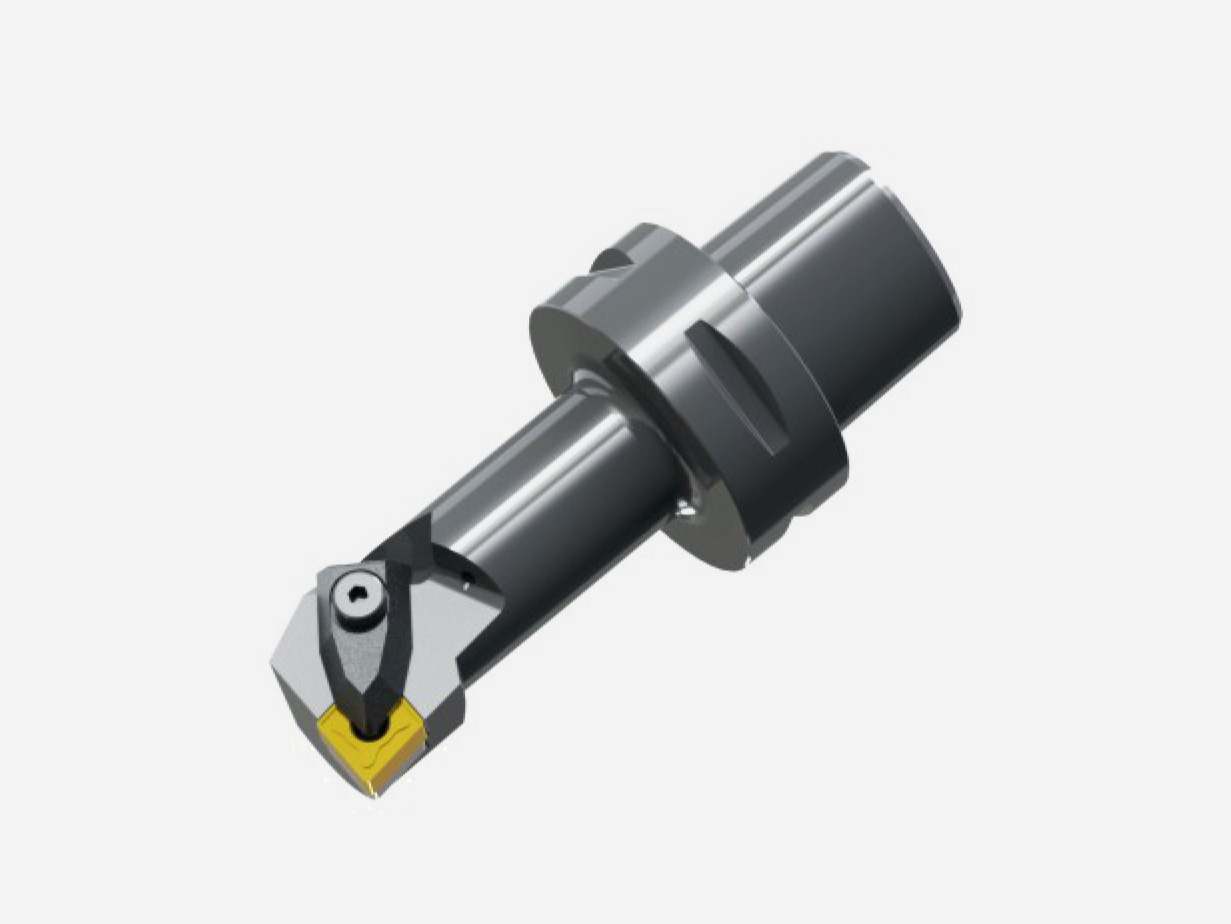
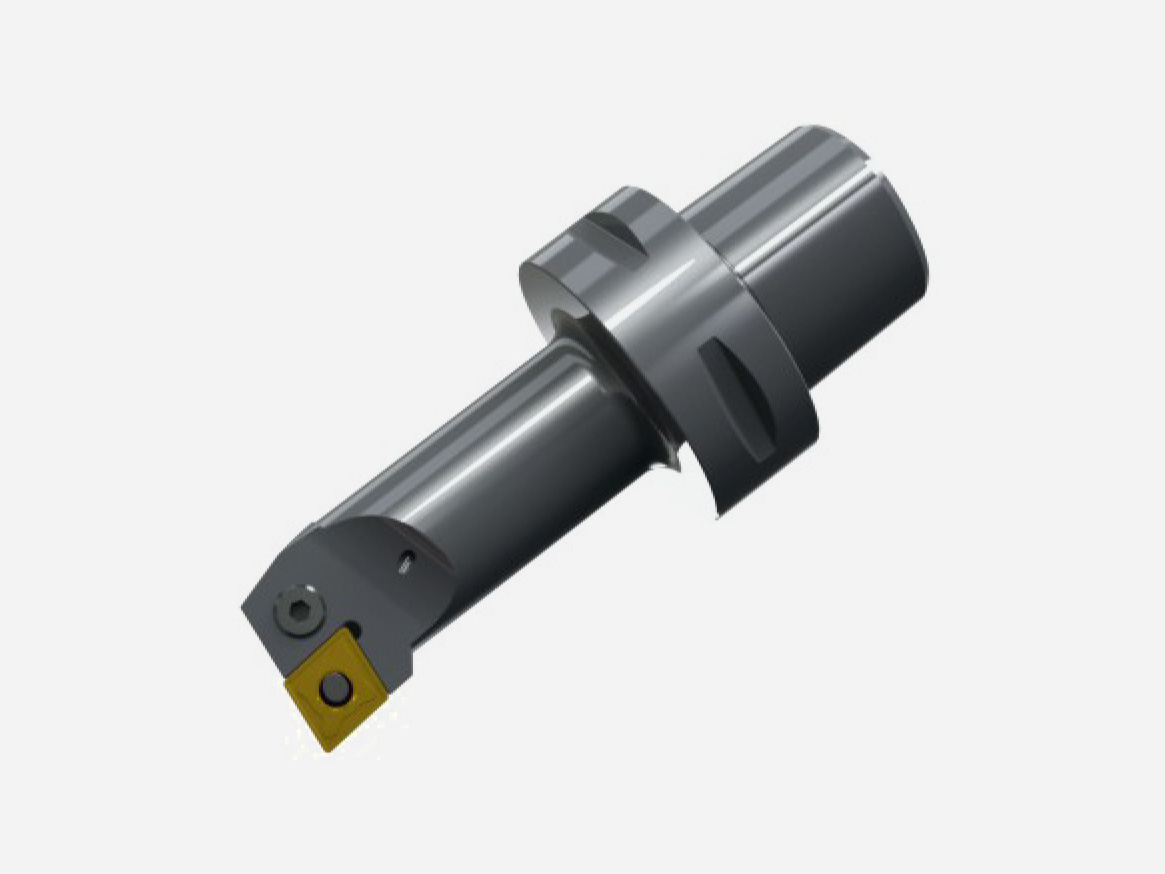
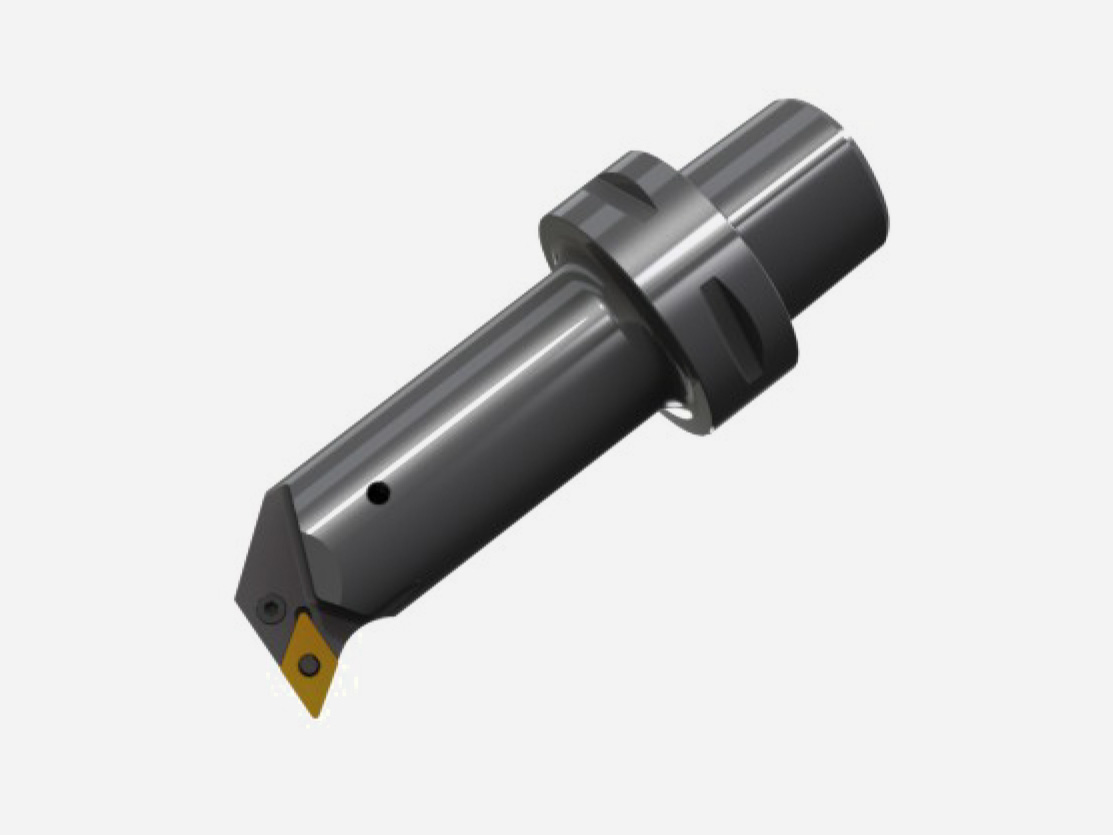
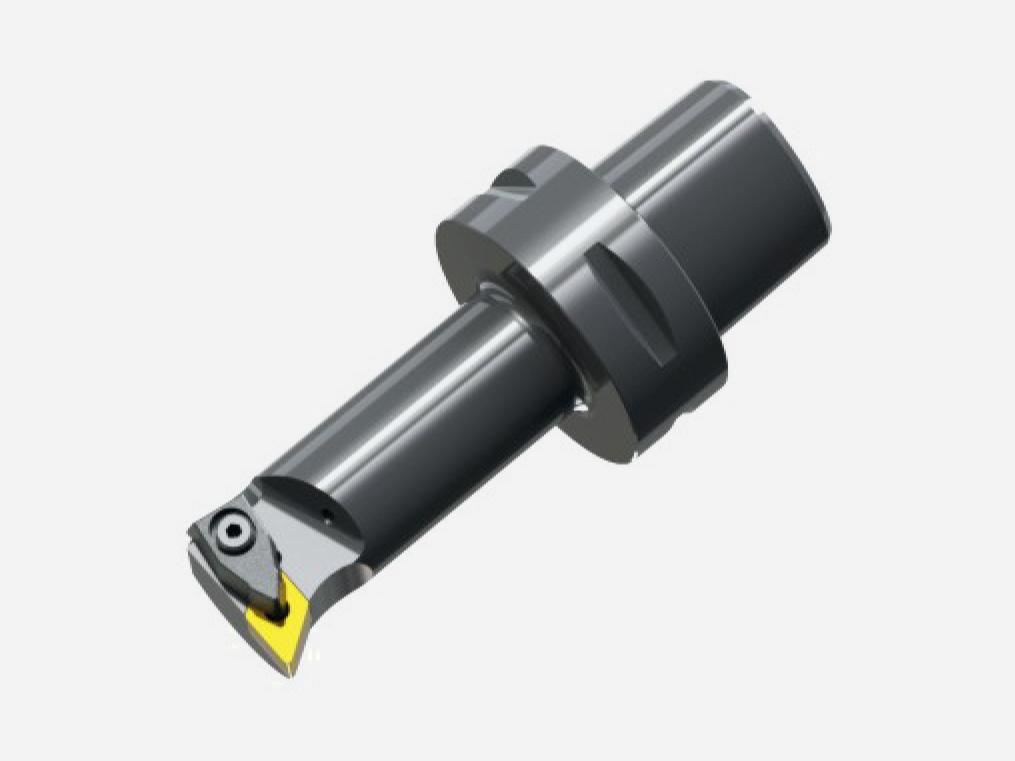
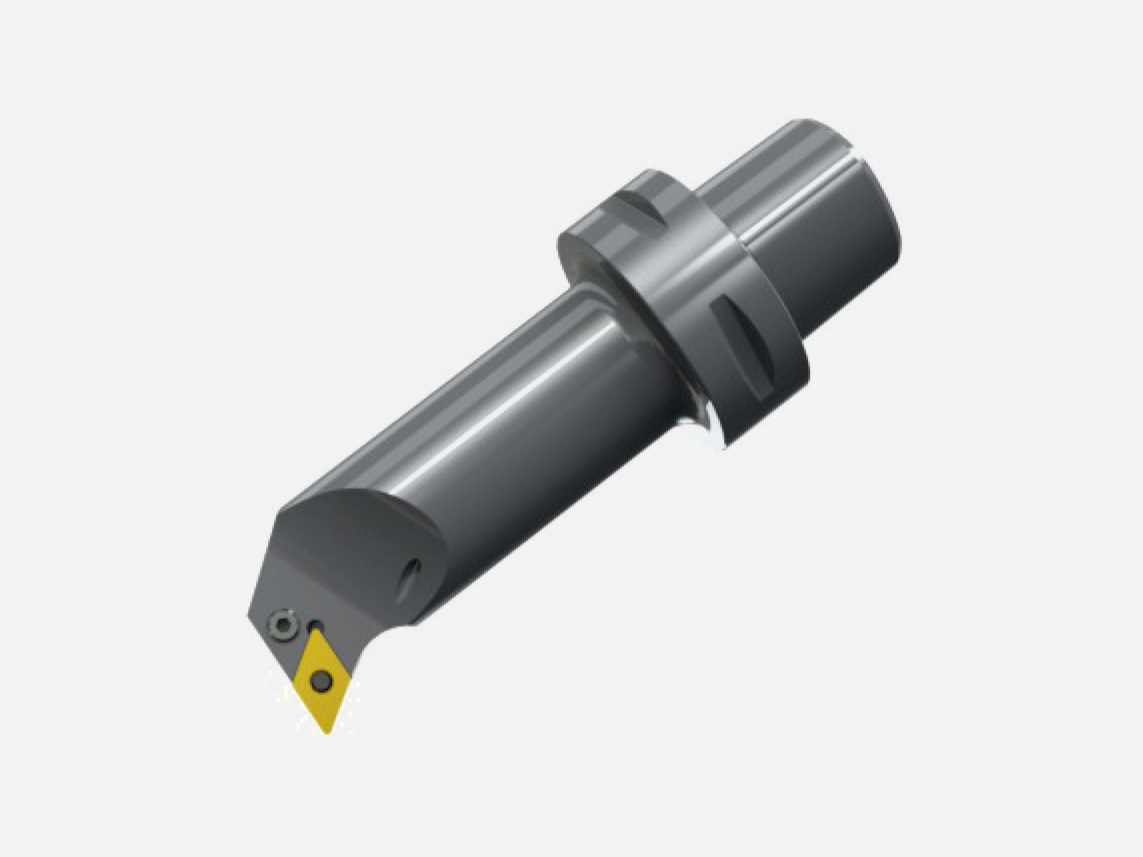
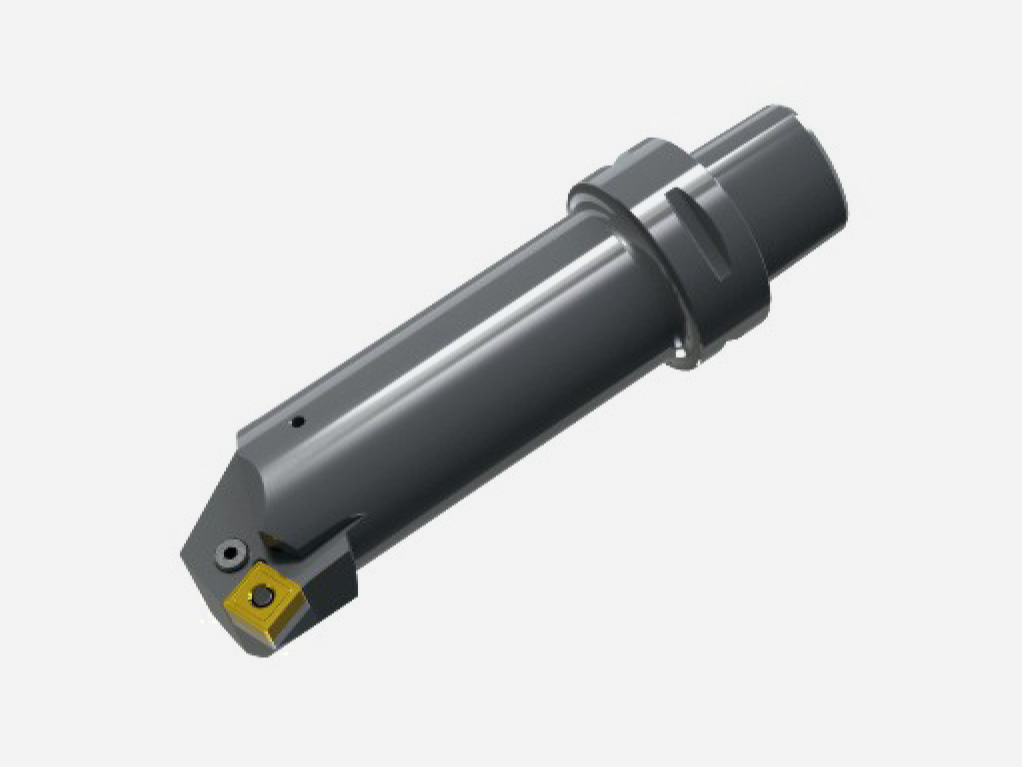
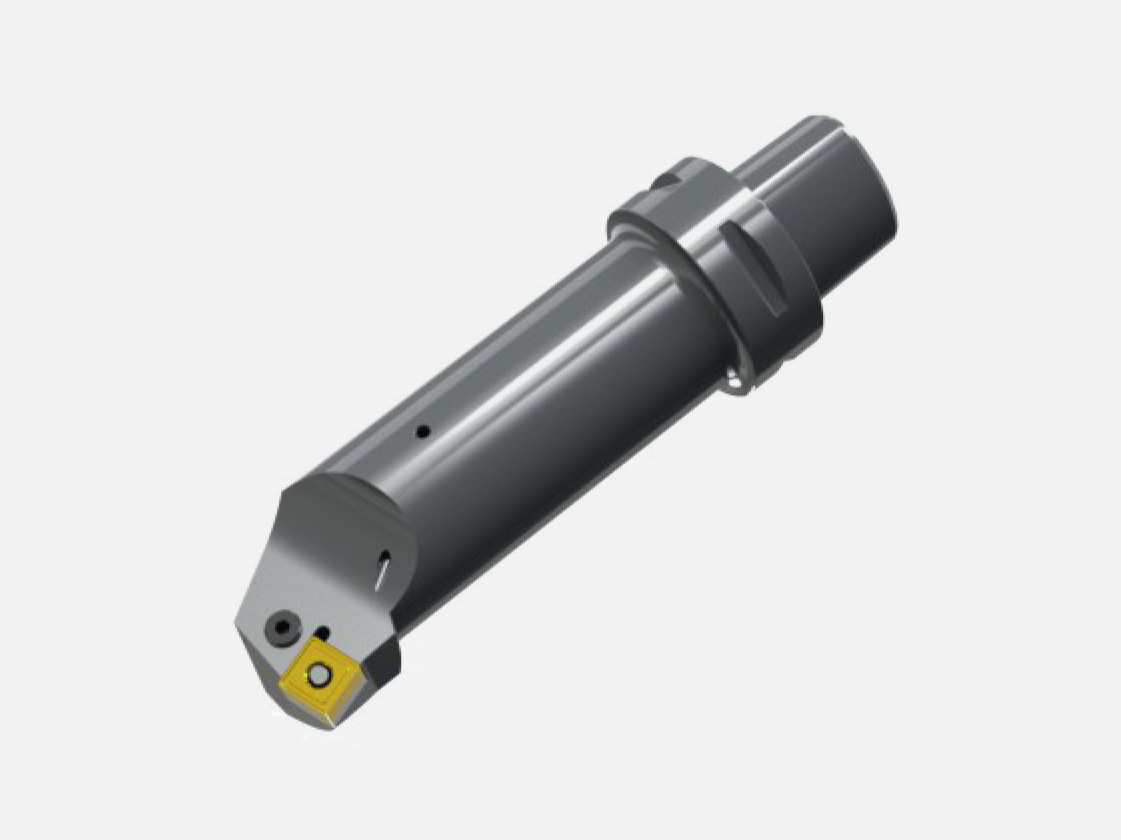
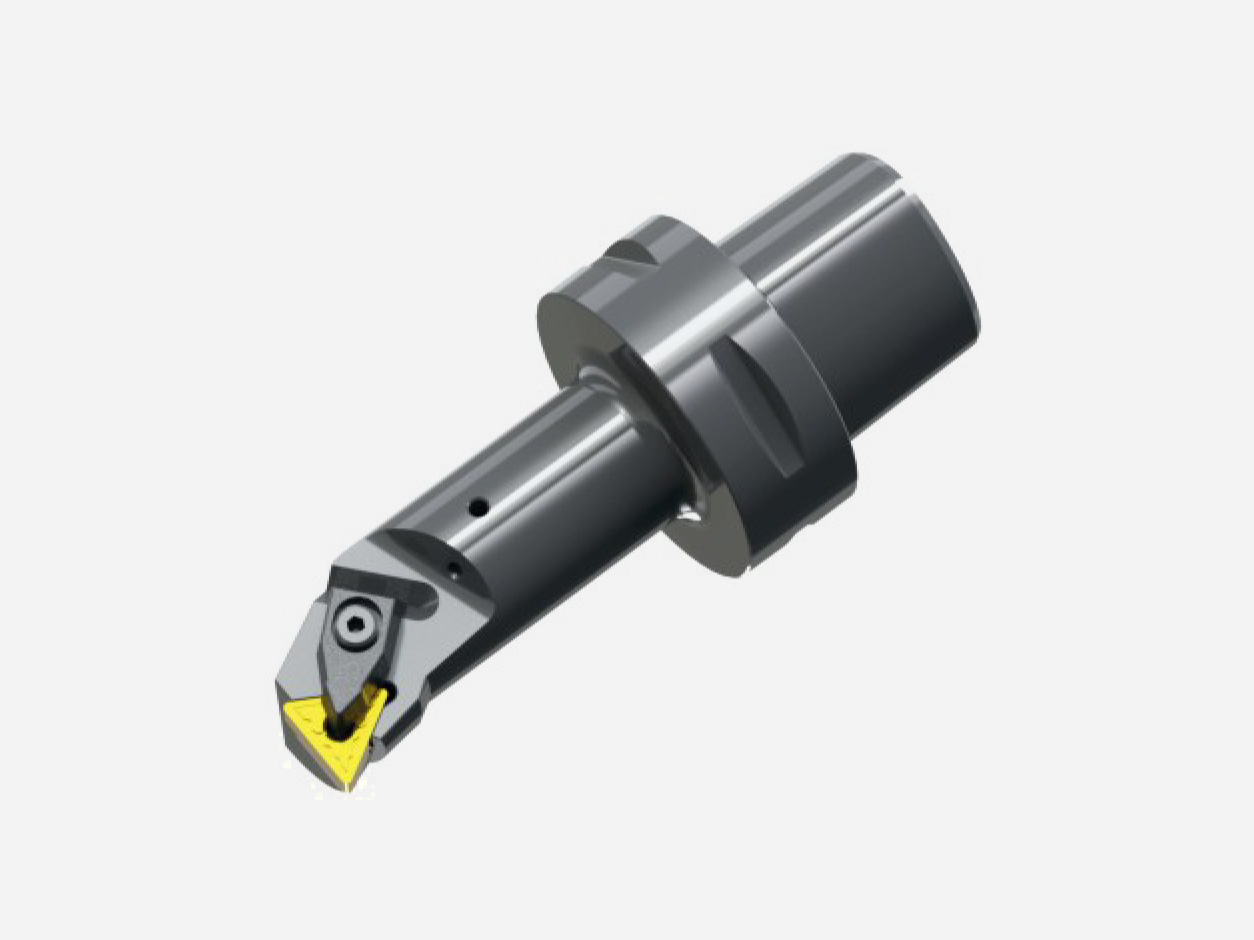
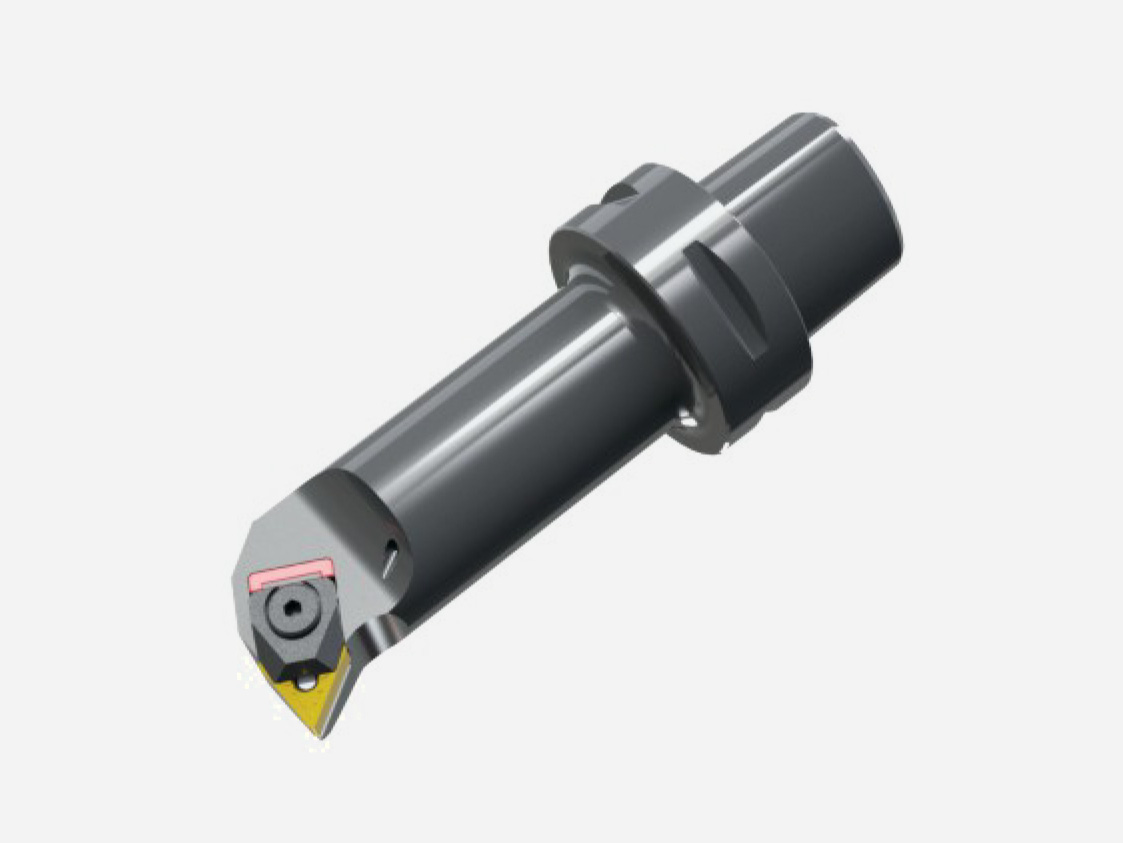
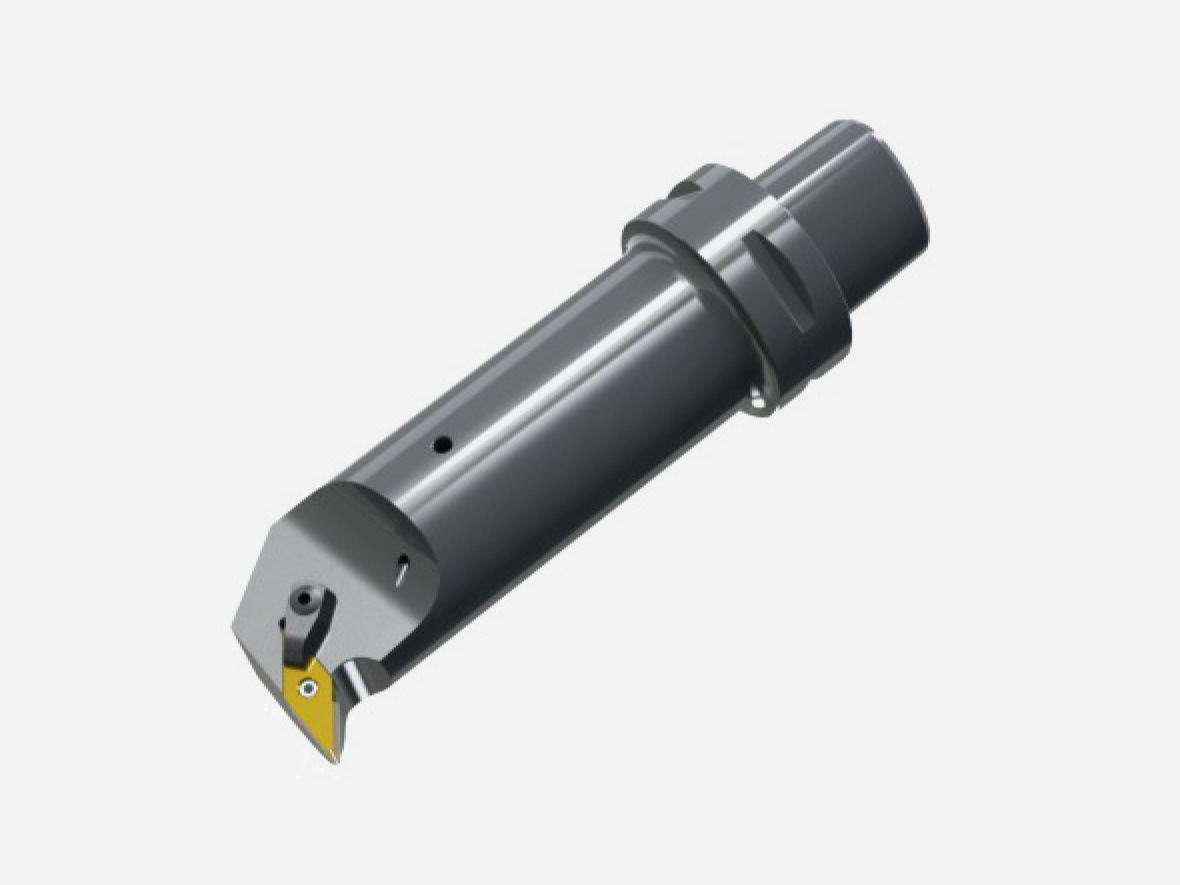
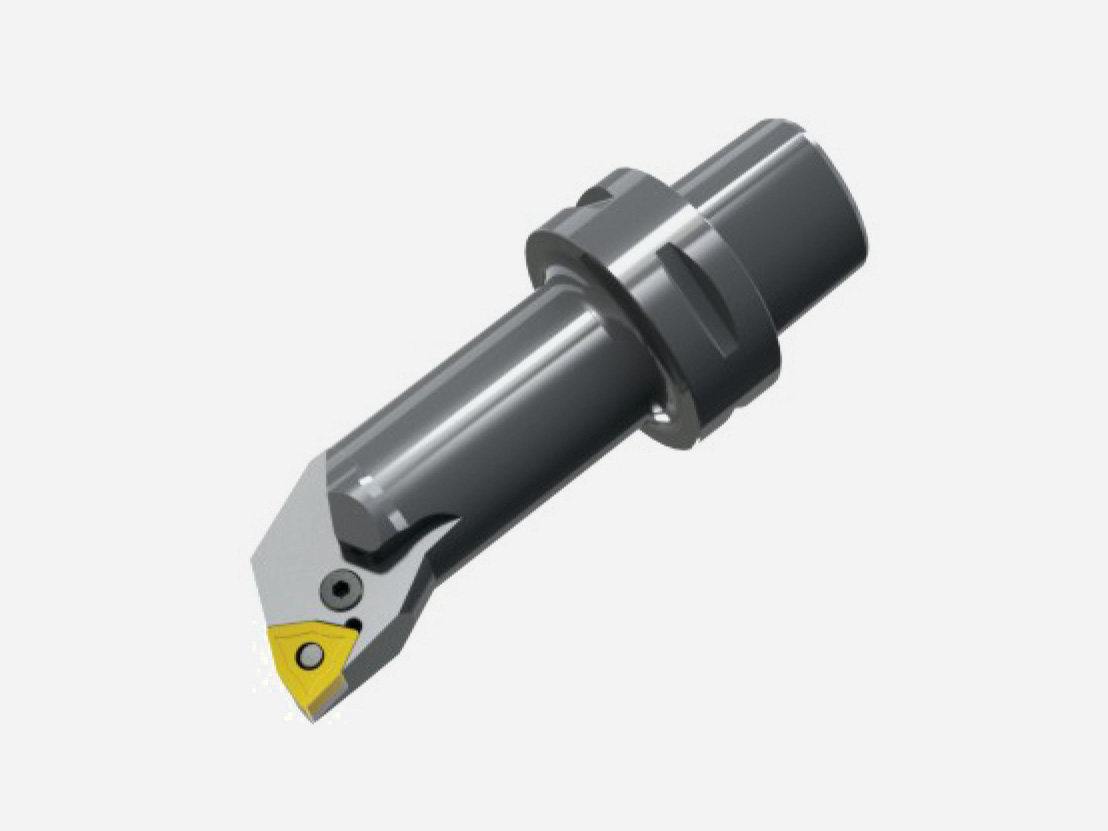
In modern CNC machining, the interface between the machine spindle and the cutting tool is one of the most critical — yet frequently underestimated — variables in achieving consistent part quality. The PSC Polygon Shank, also known as Polygon Shank Coupling or simply PSC, is a standardized tooling interface defined under ISO 26623 that has redefined what rigidity, repeatability, and speed mean in high-performance turning and milling operations.
Unlike conventional cylindrical or taper-based shanks, the PSC system uses a polygonal taper geometry — a precisely engineered, non-circular taper profile — to create a self-locking mechanical coupling between the tool holder and the machine interface. This design philosophy eliminates the rotational slip that can plague traditional cylindrical shanks under high torque loads, while simultaneously providing a short, compact coupling that minimizes overhang and maximizes bending stiffness.
At Jiaxing XiRay Industrial Technology Co., Ltd, we have been designing and manufacturing professional-grade tooling systems since the year 2000. Our PSC one-piece shank series represents the culmination of over two decades of precision engineering, serving customers in automotive, aerospace, medical device, and precision parts manufacturing worldwide.
The defining characteristic of the PSC system is its polygonal taper profile. At first glance, this may appear to be a minor geometric variation, but the mechanical implications are profound. A standard cylindrical shank transmits torque almost entirely through friction generated by the clamping force. Under high-torque cutting conditions — particularly during aggressive roughing passes — this frictional interface can allow micro-rotation or axial creep, gradually degrading positioning accuracy.
The PSC's polygonal cross-section introduces form-fit torque transmission. The polygonal geometry creates mechanical interlock faces that physically resist rotation without relying solely on friction. This means that even if the clamping force fluctuates slightly during interrupted cutting or heavy chip loading, the shank retains its angular position. The result is dramatically improved torque transmission capacity compared to equivalent-diameter cylindrical interfaces.
The taper angle of the PSC system is also carefully optimized. A steeper taper provides greater self-locking force but may require higher withdrawal force for tool changes. XiRay's PSC one-piece shanks are manufactured to the ISO 26623 specification, which defines the taper parameters to balance clamping security with practical usability in quick-change environments.
Traditional 7:24 taper systems (BT, CAT, ISO) use long taper lengths to achieve high contact area. While this works well for axial pull-out resistance, the long taper creates a significant distance between the machine spindle face and the cutting edge — increasing effective overhang and making the system more susceptible to bending deflection under radial cutting forces.
The PSC uses a short taper with a face-contact design. The taper seats quickly and the tool holder face contacts the spindle face simultaneously. This dual-surface contact — taper AND face — produces a much stiffer coupling than taper-only systems. The short, dual-contact geometry reduces the effective overhang length, meaning the cutting edge is closer to the last bearing of the machine. This translates directly into reduced vibration, better surface finish, and the ability to run higher cutting parameters without chatter.
One of the most commercially important specifications of the PSC polygon shank is its positioning accuracy of ≤0.003 mm (3 microns). This level of repeatability means that when a tool is removed from the machine — for regrinding, inspection, or tool change — and then reinserted, the cutting edge returns to within 3 microns of its original position.
For industries like medical device manufacturing, where implant components may require tolerances of ±0.01 mm or better, this repeatability eliminates the need for time-consuming re-touching and offset re-entry after every tool change. In high-volume automotive production, it means that statistical process control data collected from one tool insert remains valid after a replacement, reducing scrap rates and improving process capability indices.
The compact geometry and balanced design of PSC polygon shanks make them inherently suitable for high-speed machining (HSC) applications. The short overhang reduces the centrifugal bending moment on the spindle, while the secure polygonal interface prevents the tool from backing out under centrifugal force — a known risk with some quick-change systems at elevated RPM.
Depending on shank size, XiRay's PSC one-piece shanks are rated for spindle speeds up to 15,000 RPM, making them fully compatible with modern high-speed turning centers and live-tool lathes operating in HSC mode for aluminum alloys, titanium, and hardened steels.
Understanding where PSC fits in the broader tooling landscape helps engineers make informed decisions. Here is how the PSC polygon shank compares to commonly used alternatives:
PSC vs. VDI Shank: VDI (Verein Deutscher Ingenieure) shanks are cylindrical and rely on a radial clamping mechanism in the turret. They offer good versatility and are widely used on turning centers. However, VDI shanks have lower torque transmission capacity than PSC and are more susceptible to angular creep under high cutting forces. XiRay's VDI driven and static tool holder range serves VDI turret applications excellently, but for machines equipped with a PSC spindle interface, the PSC one-piece shank offers superior rigidity and accuracy.
PSC vs. BMT Shank: BMT (Bolt Mount Turret) shanks mount directly to the turret face using bolts, providing excellent rigidity for the turret's bolt-down configuration. Like VDI, BMT is turret-centric. XiRay manufactures a full line of BMT driven and static tool holders for customers requiring BMT compatibility. PSC, by contrast, is primarily a spindle-mounted interface used in machining centers and multitasking machines, where tool changes are managed through an ATC (Automatic Tool Changer) rather than a manual turret swap.
PSC vs. HSK: HSK (Hohlschaftkegel, or hollow shank taper) is another short-taper, dual-contact system widely used in European machining centers. Both PSC and HSK offer significantly better rigidity and accuracy than the 7:24 taper family. The primary differences lie in the clamping mechanism (HSK uses a collet-style internal expanding clamping mechanism, while PSC uses a thread-pull mechanism) and the shank geometry. PSC is often preferred for turning and multitasking applications due to its stronger torque transmission and compatibility with live tooling setups.
PSC vs. BT/CAT Taper: BT and CAT (ISO 7388 and ANSI B5.50 respectively) are 7:24 taper systems with no face contact. While well-established and widely available, their long taper length, lack of face contact, and lower repeatability make them poorly suited for modern high-speed and high-precision applications. PSC represents a significant step forward in both performance categories.
XiRay's PSC one-piece shank category covers a comprehensive range of tool types designed to handle the full spectrum of turning operations. Each model is manufactured from high-grade alloy steel, heat-treated, precision-ground, and surface-treated for maximum wear resistance and corrosion protection.
PCLNR/L-HP2 — Designed for negative rake angle CNMG/CNGG insert profiles. The HP2 designation indicates high-pressure coolant compatibility, making this model ideal for titanium and superalloy turning where directed coolant at the cutting edge is critical for tool life.
DCLNR/L — A robust turning holder for CNMG insert geometry, offering reliable performance in steel, cast iron, and stainless steel finishing and semi-finishing operations. Available in both right-hand (R) and left-hand (L) cutting configurations.
PCLNR/L-M1 — Similar insert geometry to the HP2 variant but optimized for M1 chip-breaking insert series, delivering excellent chip control in medium-to-rough turning of long-chipping materials like austenitic stainless steels and some aluminum alloys.
PDUNR/L-HP — For DNMG insert profiles with high-pressure coolant. The DNMG geometry provides a smaller point angle (55°), making it better suited for profiling and turning with limited clearance, such as contoured OD turning near shoulders.
DDUNR-L — Standard duty DNMG holder for general-purpose turning. A versatile choice for job shops running a wide variety of part materials and geometries.
PDUNR/L-M1 — Combines DNMG insert geometry with M1 chip control optimization for medium-duty turning of steel and stainless steel.
PSKNR/L-HP — Designed for SNMG/SNGG insert profiles (square insert, 90° point angle). High-pressure coolant ready. The square insert geometry provides four usable cutting edges, maximizing economy in high-volume turning.
PSKNR/L-M1 — SNMG holder optimized for M1 chip-breaking geometry, ideal for continuous cuts in steel and ductile cast iron.
DTFNR/L — A threading and form turning holder using TNMG insert geometry. The smaller 60° point angle of the TNMG insert provides good accessibility for threading operations and profiling in confined spaces.
PTFNR/L-W — W-type insert holder for wider wiper insert applications, providing superior surface finish at higher feed rates. Ideal for finishing operations where surface roughness Ra values below 1.6 μm are required.
MVUNR/L — Multi-directional turning holder using VNMG insert geometry. The 35° diamond insert allows simultaneous turning in multiple directions without tool change, reducing cycle time in contour turning.
PWLNR/L-HP — WNMG insert holder (80° diamond) with high-pressure coolant for demanding roughing-to-finishing operations in difficult materials.
This is only a selection from our catalog. XiRay's full PSC one-piece shank range spans seven pages of models, covering virtually every insert geometry and application type. Browse the complete PSC one-piece shank product catalog to find the exact tool for your application.
The PSC one-piece shank is one component within XiRay's comprehensive PSC Tool Holder Series, which encompasses three major product families:
PSC One-Piece Shank — The subject of this page. Integrated shank-and-holder bodies for maximum rigidity in direct turning applications on PSC-interface machines.
PSC Holder for Turning Mills Series — Designed for multitasking machines that combine turning and milling in a single setup. The PSC holder for turning mills series provides the rigidity of PSC coupling with the angular positioning accuracy needed for live-tool milling, cross-drilling, and off-center operations on Swiss-type and multitasking turning centers.
Modular PSC Turning Holder — For applications where flexibility is paramount. The modular PSC turning holder uses a two-piece system: a standardized PSC base and interchangeable cutting heads. This allows a single PSC base to accept multiple insert geometries, reducing the number of complete tool holders required in the tool magazine and lowering total tooling cost.
Additionally, the broader PSC tool holder series includes PSC Shrink Fit Tool Holders, which combine the ISO 26623 polygon shank interface with thermal shrink-fit clamping technology. This combination delivers runout accuracy of ≤3 μm at 3×D and speed capability up to 40,000 RPM — ideal for high-speed milling of complex mold cavities and aerospace structural components.
The automotive sector is perhaps the single largest user of PSC polygon shank technology. Engine block cylinder bore finishing, crankshaft journal turning, transmission gear blank turning, and camshaft machining all benefit from the combination of high material removal rates and consistent dimensional accuracy that PSC systems deliver. For automotive OEMs and Tier-1 suppliers running large-scale production lines, the quick-change capability of PSC shanks is equally important: every second saved in tool change time, multiplied across hundreds of machines and thousands of production hours, translates directly into throughput improvement and cost reduction.
XiRay's PSC one-piece shanks are deployed in automotive manufacturing applications globally, supporting both high-volume component production and the more complex precision turning requirements of EV drivetrain components.
Aerospace components such as turbine blades, compressor discs, engine casings, and structural airframe brackets demand the highest levels of dimensional accuracy, surface integrity, and process repeatability. The materials involved — nickel superalloys, titanium alloys, aluminum lithium alloys, and hardened steels — are notoriously difficult to machine and require aggressive coolant delivery, controlled cutting parameters, and absolutely no tool movement during the cut.
PSC polygon shank's form-fit torque transmission and ≤0.003 mm repeatability directly address these requirements. The HP (high-pressure coolant) variants in XiRay's PSC one-piece shank range are specifically engineered for the sustained coolant pressures (up to 70 bar and beyond in some configurations) required to achieve acceptable tool life in titanium and nickel alloy turning.
The medical device manufacturing industry requires machining of implant-grade stainless steels (316L, 17-4 PH), titanium alloys (Ti-6Al-4V), cobalt-chrome alloys, and PEEK polymer. Part tolerances are routinely in the ±0.005 mm to ±0.01 mm range, with surface finish requirements of Ra 0.4 μm or better for implant contact surfaces.
PSC one-piece shank's repeatability ensures that when a tool is changed between shifts, the dimensional output of the machine remains within specification without requiring manual re-qualification. This is critical in medical manufacturing environments where full traceability and process validation are required, and where re-qualifying a setup can involve extensive documentation and quality hold time.
The electronics and precision parts processing sectors increasingly demand micro-tolerance turning of components such as connector housings, heat sink features, and sensor bodies. PSC systems at smaller shank sizes (PSC32, PSC40) enable high-speed, low-vibration turning of these small, thin-walled components without the chatter issues that can plague conventional tooling at high RPM.
For large workpieces — hydraulic cylinder bodies, turbine shaft journals, pressure vessel flanges — the PSC system's high torque transmission capacity and strong clamping force are essential. Heavy interrupted cuts, asymmetric workpieces, and large stock removal rates all stress the tool-machine interface to its limits. PSC's form-fit coupling remains stable under these demanding conditions where purely friction-based cylindrical shanks may exhibit micro-movement.
Correct installation and maintenance of PSC polygon shanks is essential for realizing their full performance potential and maximizing service life. The following best practices are recommended based on XiRay's engineering expertise:
Pre-Installation Inspection: Before installing a PSC one-piece shank, visually inspect both the shank taper and the machine spindle interface for chips, burrs, or contamination. Even a small chip or particle on the taper surface can prevent full face contact and introduce runout error. Use compressed air to blow out the spindle bore and wipe the shank taper clean with a lint-free cloth.
Clamping Torque: Apply the manufacturer-specified clamping torque using a calibrated torque wrench. Under-torquing reduces the clamping force and increases the risk of tool movement. Over-torquing can plastically deform the taper surfaces or damage the draw bolt, reducing the tool holder's service life. XiRay provides recommended clamping torque values for each shank size in our technical documentation — contact our team at sales@xiray-tools.com or call +86-573-83996043 for specifications.
Runout Verification: After installation, verify the tool runout using a dial indicator against the tool shank or cutting edge. If runout exceeds the specified ≤0.003 mm, remove the tool, inspect the interface, and reinstall. Persistent high runout may indicate wear on the taper surfaces and should be investigated.
Chip Control: During machining, monitor chip formation carefully. Uncontrolled chip packing in the work zone can lead to re-cutting of chips against the shank body, causing surface damage or thermal stress. The HP coolant variants in XiRay's PSC one-piece shank range help prevent chip packing by directing coolant precisely to the cutting zone.
Regular Maintenance: Inspect the polygonal taper surfaces and the threaded draw bolt regularly. Light surface oxidation can be removed with a fine abrasive pad; deeper corrosion pitting requires replacement. Store unused shanks in a dry environment, lightly oiled, to prevent corrosion. Avoid stacking shanks where taper surfaces can contact each other.
Compatibility Check: Always confirm that the PSC size selected (PSC32, PSC40, PSC50, PSC63, PSC80) matches your machine's spindle interface. Using an incorrectly sized shank will prevent proper seating and will not achieve the rated accuracy or clamping force. If you are uncertain about your machine's PSC interface size, our engineering team can assist with identification.
Jiaxing XiRay Industrial Technology Co., Ltd is not simply a tooling supplier — we are a precision manufacturing partner with over 25 years of deep expertise in metalworking toolholders. Here is what sets XiRay apart in the PSC polygon shank market:
Manufacturing Scale and Capability: XiRay operates from a 30,000 m² manufacturing base with 8 dedicated production lines, giving us the capacity to fulfill both large-volume orders and specialized custom requirements. Our 25-person technical engineering team provides the depth of expertise needed to solve complex application challenges.
100% Self-Manufactured Core Components: Unlike many tooling distributors who source components externally, XiRay maintains a 100% self-made rate for core components. This means full control over every critical dimension — from the polygonal taper geometry to the clamping thread — ensuring consistent quality across every batch.
ISO 9001 Certified Quality System: XiRay's quality management system is independently certified to ISO 9001. Every PSC polygon shank leaving our facility has been inspected against dimensional, surface finish, and functional specifications. Our rigorous quality assurance program has earned the trust of customers in over 30 countries.
Comprehensive Product Ecosystem: Beyond PSC polygon shanks, XiRay offers BMT tool holders, VDI tool holders, CNC numerical control tools, angle heads, precision pneumatic grippers, and accessories. This breadth means manufacturers can source complete tooling solutions for turning centers, machining centers, and multitasking machines from a single, accountable supplier.
Technical Support and Customization: Our engineering team provides application support to help customers select the optimal PSC shank model, insert geometry, and cutting parameters for their specific workpiece material and machine configuration. We also accept custom orders for non-standard PSC shank configurations where standard catalog products do not fully meet customer requirements.
Global Service Network: XiRay's products are supported by a global distribution and service network. Whether you are an automotive OEM in Germany, a medical device manufacturer in the United States, or a precision engineering job shop in Southeast Asia, our team can provide timely technical support and spare parts. Reach our service team at sales@xiray-tools.com or visit our service page for more information.
ISO 26623 is the international standard governing the polygon shank coupling (PSC) system. It defines the critical interface dimensions — taper angle, polygon profile, face contact geometry, bore dimensions, and thread specifications — across the full range of PSC sizes from PSC32 to PSC80 and beyond. Compliance with ISO 26623 ensures interchangeability between tool holders from different manufacturers that both meet the standard, although in practice, users should verify fitment for their specific machine spindle.
PSC one-piece shanks require a machine spindle or tool holder interface that is configured for the PSC/polygon shank coupling system. Not all CNC turning centers and machining centers have this interface. Machines with VDI or BMT turrets use different tool holder standards. If you are unsure whether your machine is PSC-compatible, consult your machine tool builder or contact our technical team.
The PSC one-piece shank is an integrated unit where the PSC shank body and the insert pocket are machined from a single piece of steel, providing maximum rigidity. The modular PSC turning holder uses a two-component system: a fixed PSC shank body and interchangeable cutting heads that lock into the shank body. Modular systems offer greater flexibility and lower tooling costs when many insert geometries are required, but the additional coupling interface introduces a small reduction in rigidity compared to the one-piece design.
XiRay's HP-designated PSC one-piece shanks are designed for directed high-pressure coolant delivery at the cutting edge. Specific maximum coolant pressure ratings depend on the individual model. Please refer to the product data sheet for each HP model or contact us directly for pressure ratings relevant to your application.
Yes. The majority of XiRay's PSC one-piece shank models are available in both right-hand (R) and left-hand (L) configurations, as indicated by the R/L suffix in the model designation. Left-hand shanks are required for back-turning operations, sub-spindle work on twin-spindle lathes, and specific multitasking machine configurations.
Yes. XiRay accepts custom orders for PSC shanks with non-standard dimensions, special insert pocket geometries, or custom coolant routing. Contact our technical team to discuss your requirements.


