+86-573-83996043
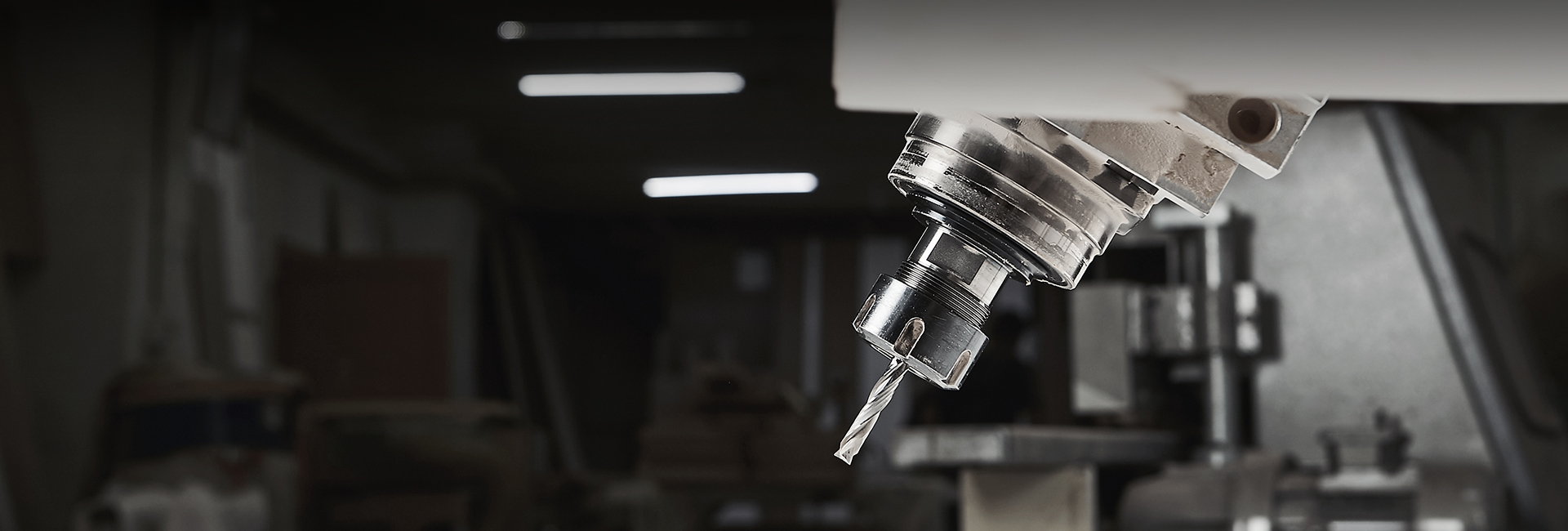
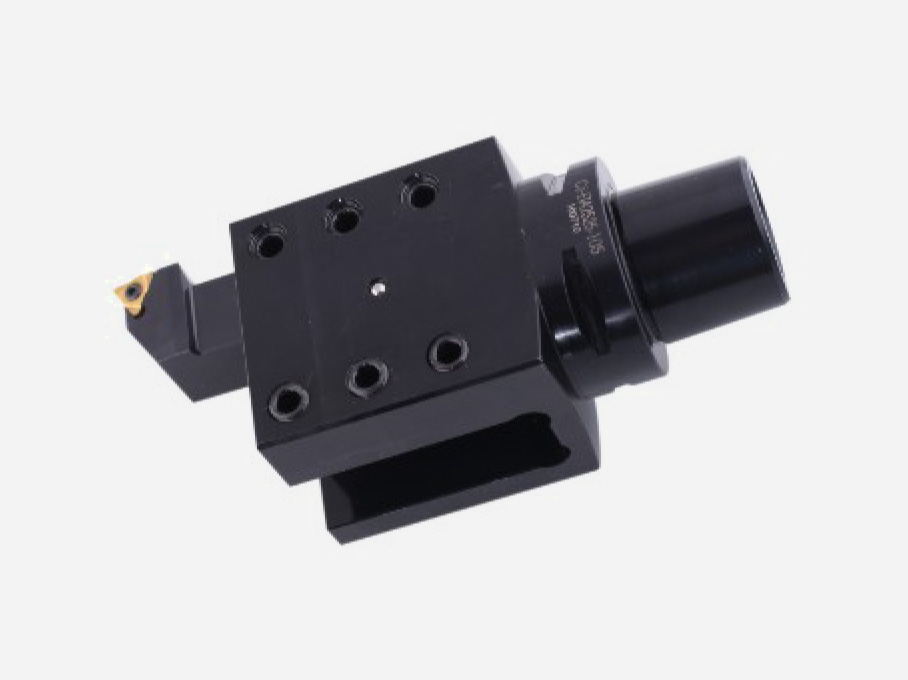
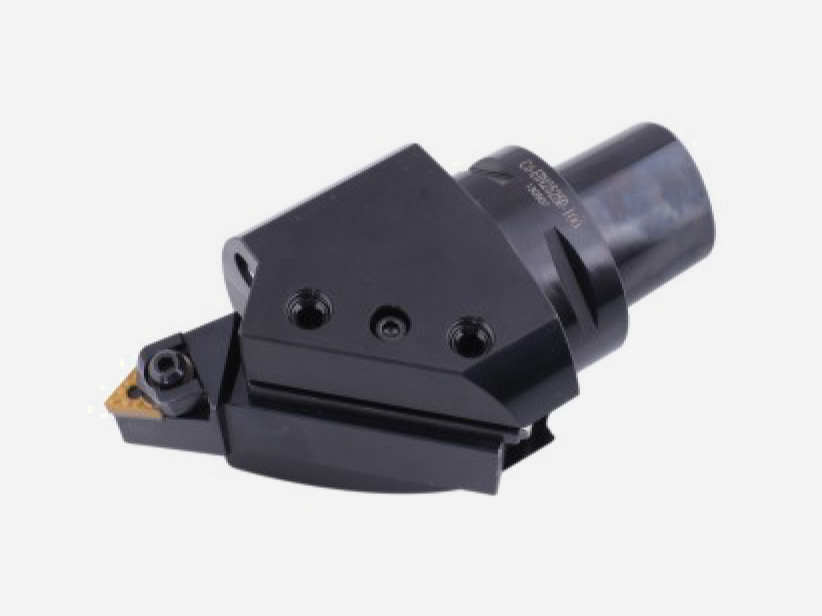
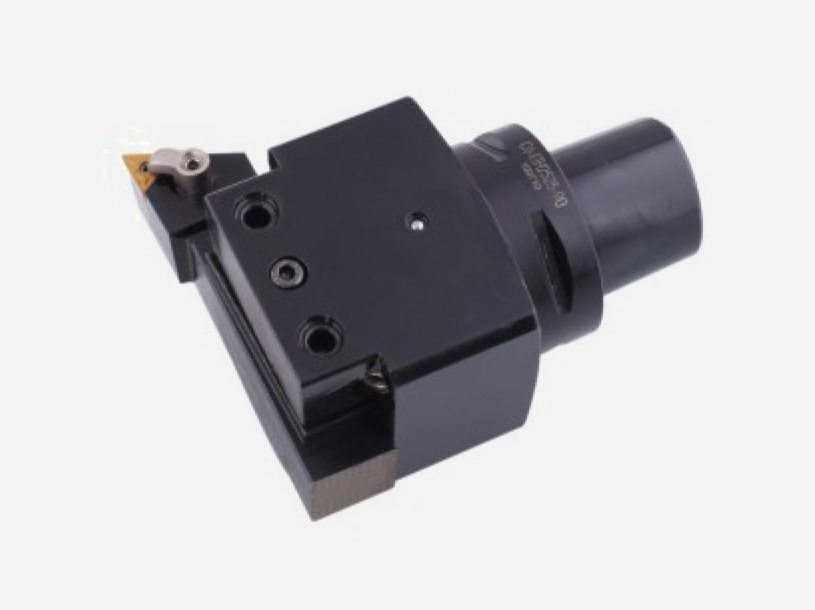
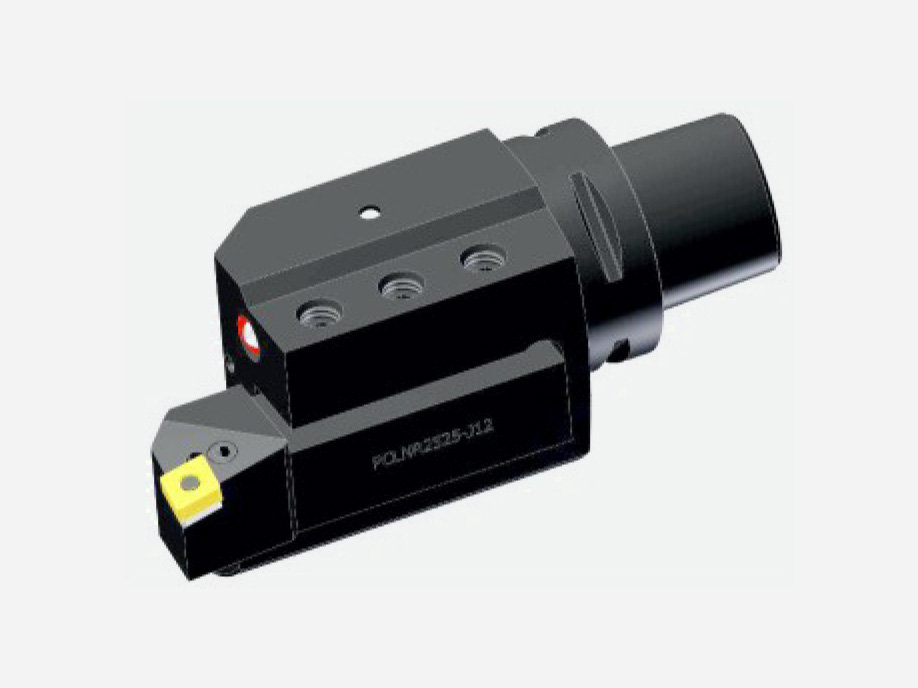
In the realm of precision machining, turning tool holders are vital components that significantly impact the performance, accuracy, and efficiency of CNC turning operations. These tool holders provide the necessary stability and precision to securely hold cutting tools in place during turning processes, ensuring that high-quality parts are produced. Whether it's for roughing, finishing, or specialized machining tasks, turning tool holders are essential for achieving the desired dimensions and surface finishes in industries such as automotive, aerospace, and manufacturing.
Turning tool holders are devices used to secure cutting tools in CNC lathes or turning centers. These tools are mounted onto the machine's turret or spindle, holding the cutting tool in a fixed position during the turning operation. By providing stability and preventing tool deflection or movement, turning tool holders ensure that the cutting tool performs optimally, even under high-speed and high-force conditions.
The primary function of a turning tool holder is to firmly grip the tool and provide a stable cutting platform. This minimizes vibrations and ensures consistent, accurate cuts across a variety of materials. Depending on the machining operation, turning tool holders can accommodate a wide range of cutting tools, including drills, end mills, boring tools, and inserts.
There are several types of turning tool holders, each designed for specific applications and machining requirements. The most common types include:
Quick Change Tool Holders: These holders are designed for fast tool changes, allowing operators to switch out cutting tools with minimal downtime. This is especially useful in high-volume manufacturing environments where frequent tool changes are required. Quick-change holders feature a mechanism that securely locks the tool in place while also providing an easy-release feature for changing tools.
Indexable Tool Holders: These holders are designed to accommodate indexable inserts, which are replaceable cutting edges that can be rotated or flipped to extend tool life. Indexable tool holders are commonly used in turning operations where the cutting tool needs to be replaced frequently due to wear. The use of indexable inserts reduces downtime and ensures consistent performance, as operators can simply replace the insert rather than changing the entire tool.
Hydraulic Tool Holders: Hydraulic tool holders use hydraulic pressure to secure the cutting tool, providing excellent stability and precision. The hydraulic mechanism helps reduce vibrations, which can impact the quality of the machined surface. Hydraulic tool holders are ideal for high-speed and high-precision applications, such as aerospace and automotive manufacturing.
VDI Tool Holders (VDI Shank): These tool holders use a VDI (Verein Deutscher Ingenieure) shank system, which allows for quick tool changes without the need for additional tools. The VDI system is commonly used in CNC lathes and turning centers, offering versatility, fast setup times, and high rigidity.
Fixed Tool Holders: These holders are designed for specific turning operations and provide a secure grip for cutting tools that are not meant to be changed frequently. Fixed tool holders are typically used in more specialized applications where the cutting tool needs to remain in place for longer durations, such as in deep-hole drilling or high-precision turning.
Boring Tool Holders: Boring tool holders are designed specifically for holding boring tools, which are used to enlarge existing holes. These holders often feature adjustable settings that allow for precise control over the tool’s position, ensuring the correct hole diameter is achieved. Boring tool holders can be used in conjunction with other turning tool holders to perform complex multi-operation machining tasks.
Turning tool holders are used in a variety of industries, including automotive, aerospace, medical devices, and general manufacturing. The ability to perform precision turning operations with stability and accuracy is essential for producing parts with tight tolerances and high-quality finishes.
Automotive Industry: In the automotive sector, turning tool holders are used to machine engine components, transmission parts, shafts, and other precision components. The high-speed cutting capability of CNC turning, combined with the stability provided by turning tool holders, allows manufacturers to produce complex automotive parts with excellent surface finishes.
Aerospace Industry: Aerospace components, such as turbine blades, engine housings, and structural parts, require tight tolerances and excellent surface finishes. Turning tool holders are used extensively in the aerospace industry to machine these parts with high precision. The stability provided by the tool holders ensures that critical components meet the demanding standards of aerospace engineering.
Medical Device Manufacturing: Medical devices, such as surgical instruments, implants, and medical housings, often require precision turning to ensure functionality and safety. Turning tool holders are used to machine these components with accuracy and surface finish quality. The reliability and precision of turning tool holders are crucial in the production of medical devices, where tight tolerances are necessary.
General Manufacturing: Turning tool holders are also widely used in general manufacturing to produce components such as bushings, gears, and housings. The ability to perform high-precision turning on a variety of materials, from metals to plastics, makes turning tool holders an essential component in a wide range of manufacturing operations.
Improved Precision and Accuracy: Turning tool holders provide stability and minimize tool deflection during the machining process, ensuring that the cutting tool remains in the correct position. This leads to highly accurate and consistent results, with tight tolerances and smooth surface finishes.
Enhanced Tool Life: By securely holding the cutting tool and reducing vibrations, turning tool holders help extend the life of the tool. This reduces the frequency of tool changes and minimizes downtime, leading to cost savings and increased productivity.
Versatility and Flexibility: Turning tool holders can accommodate a wide range of cutting tools, including inserts, drills, and end mills. This versatility allows operators to perform a variety of turning operations, from roughing to finishing, on different materials.
Increased Productivity: The use of quick-change tool holders and indexable inserts allows for faster tool changes and reduced setup times. This increases the overall productivity of CNC turning operations, especially in high-volume manufacturing environments.
Reduced Vibration: Many turning tool holders, such as hydraulic holders, are designed to reduce vibrations during the machining process. This leads to better surface finishes, improved tool life, and enhanced precision.
As CNC machining technologies continue to advance, there have been several innovations in turning tool holders that improve their performance and capabilities:
Advanced Materials: Turning tool holders are increasingly being made from advanced materials, such as carbide and composite materials, which offer superior strength, rigidity, and heat resistance. These materials help improve the performance of the tool holders, especially in high-speed machining applications.
Modular Tooling Systems: Modular tool holders offer greater flexibility by allowing operators to easily swap out components, such as tool inserts or extensions. This reduces downtime and provides versatility in handling a wide range of machining tasks.
Automation Integration: The integration of turning tool holders with automated systems, such as robotic arms and automated tool changers, is becoming more common. This helps streamline the machining process and improves overall efficiency by reducing human intervention.
Turning tool holders are critical components in achieving high-precision, efficient CNC turning operations. By providing stability, reducing vibrations, and ensuring accurate tool positioning, turning tool holders enable manufacturers to produce high-quality parts with tight tolerances. With a wide variety of types available—such as quick-change, indexable, hydraulic, and VDI holders—turning tool holders offer versatility and flexibility to meet the demands of diverse machining tasks. As the industry continues to innovate, turning tool holders will play an even more important role in advancing machining technologies, improving productivity, and reducing costs in various manufacturing sectors.


