+86-573-83996043
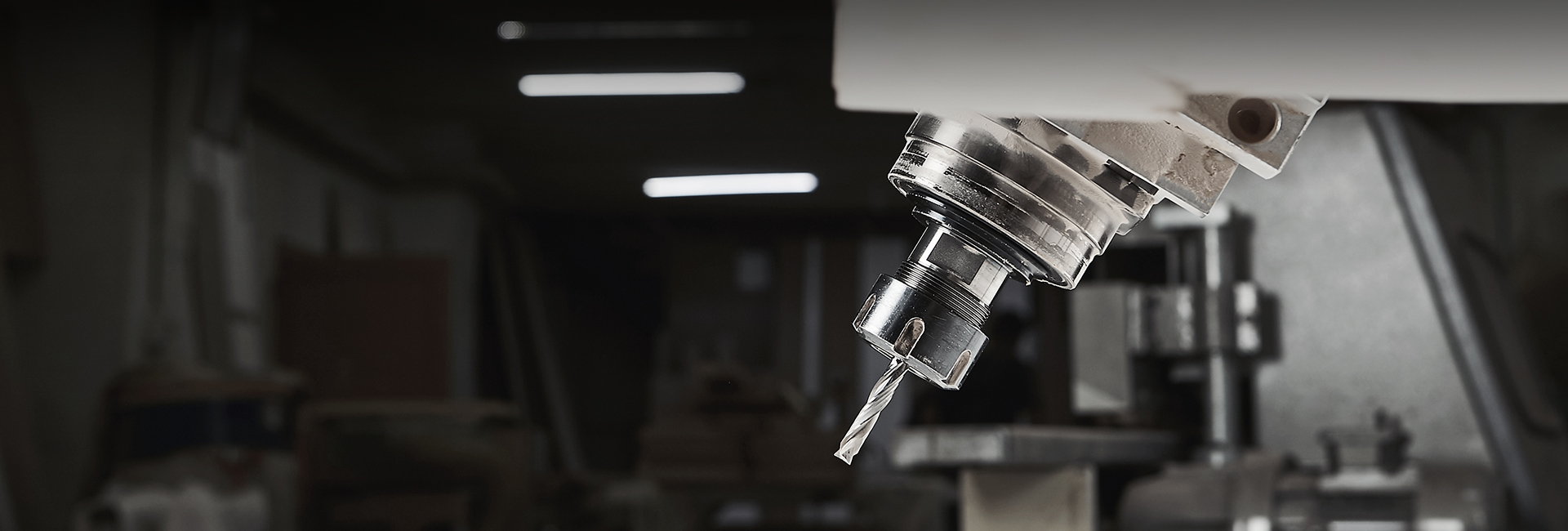
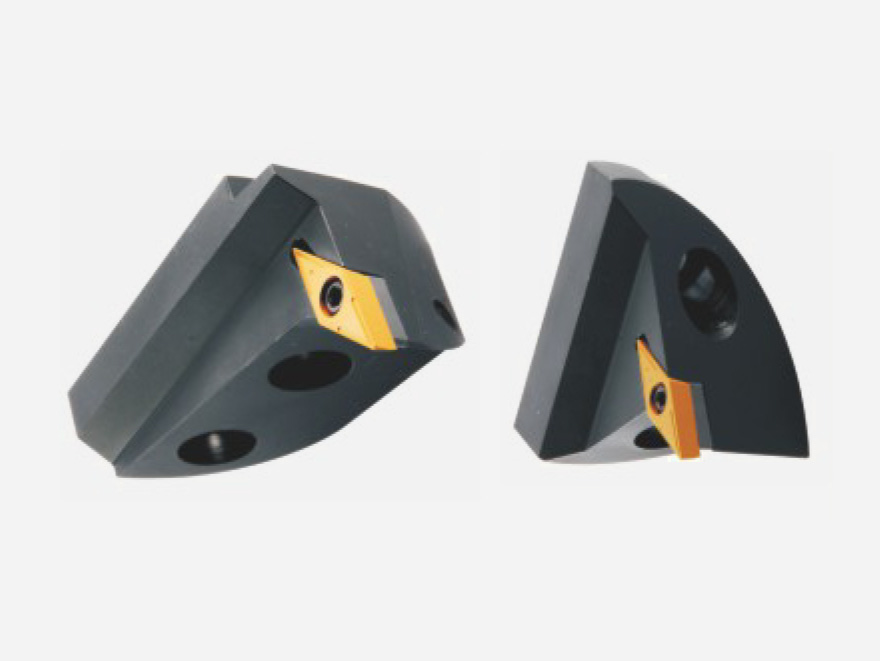
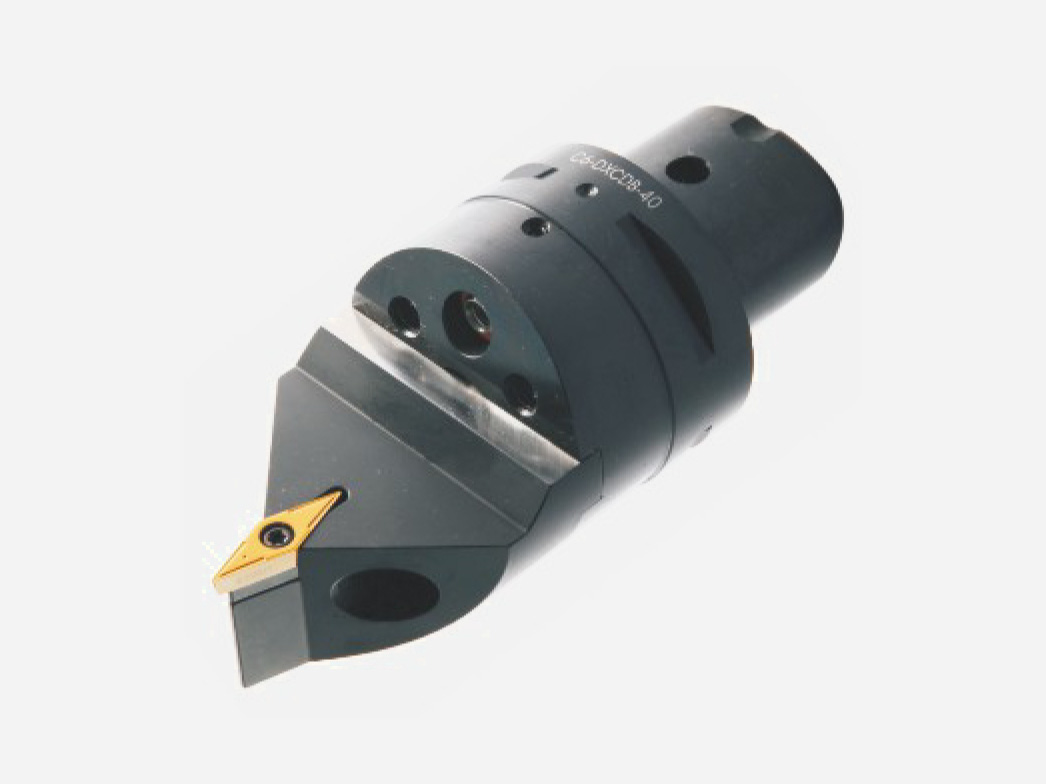
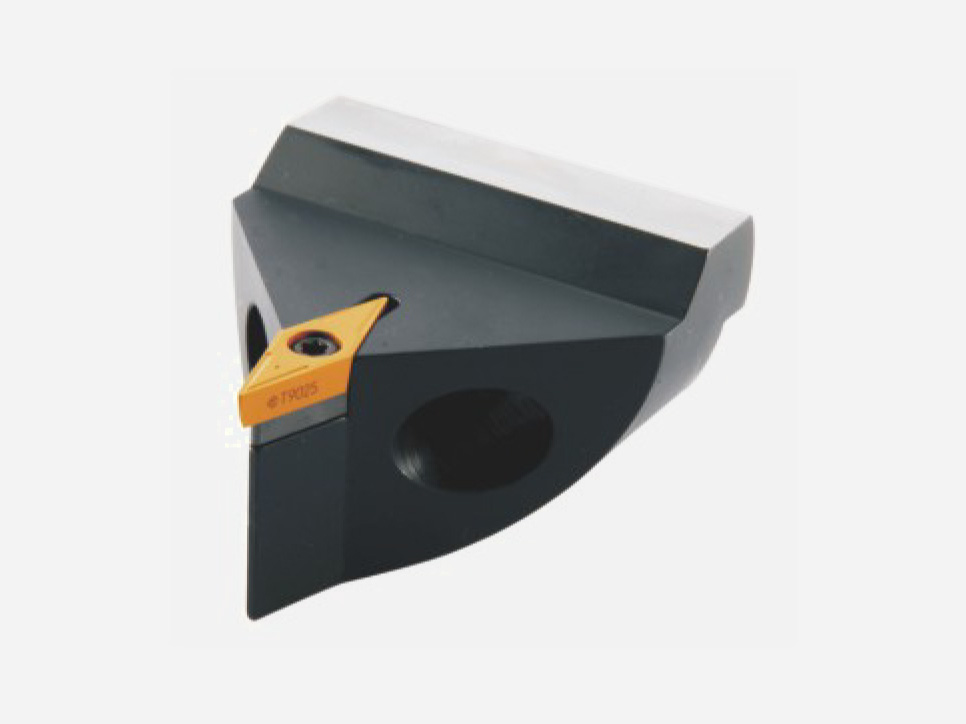
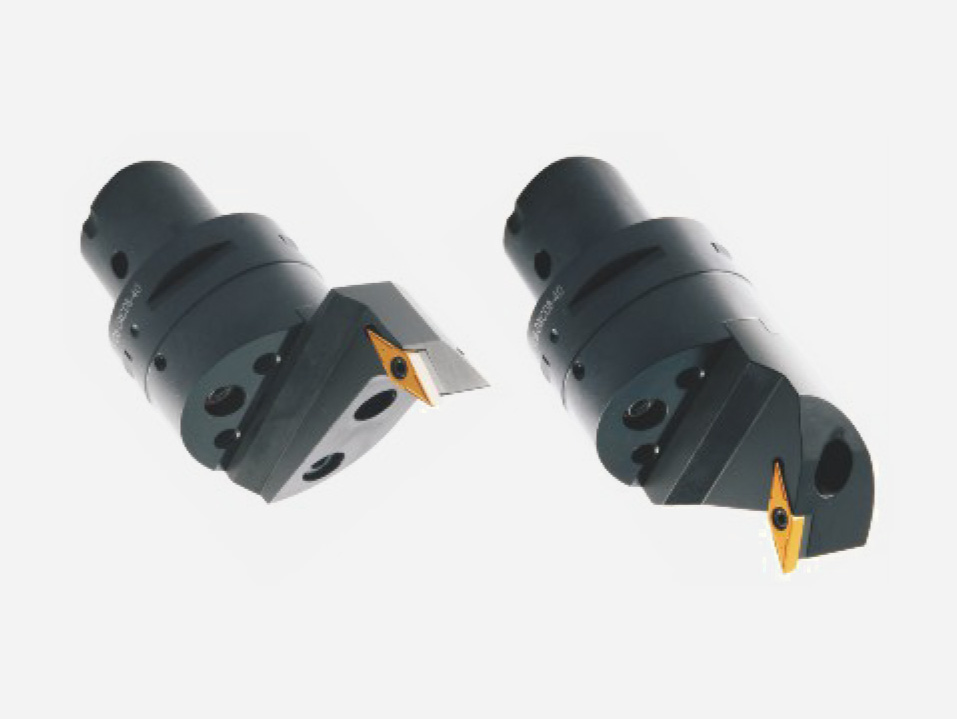
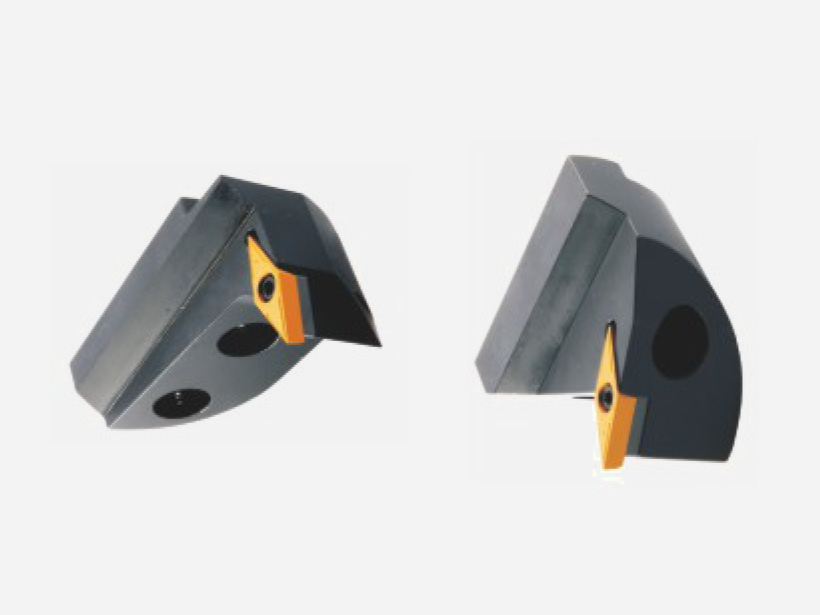
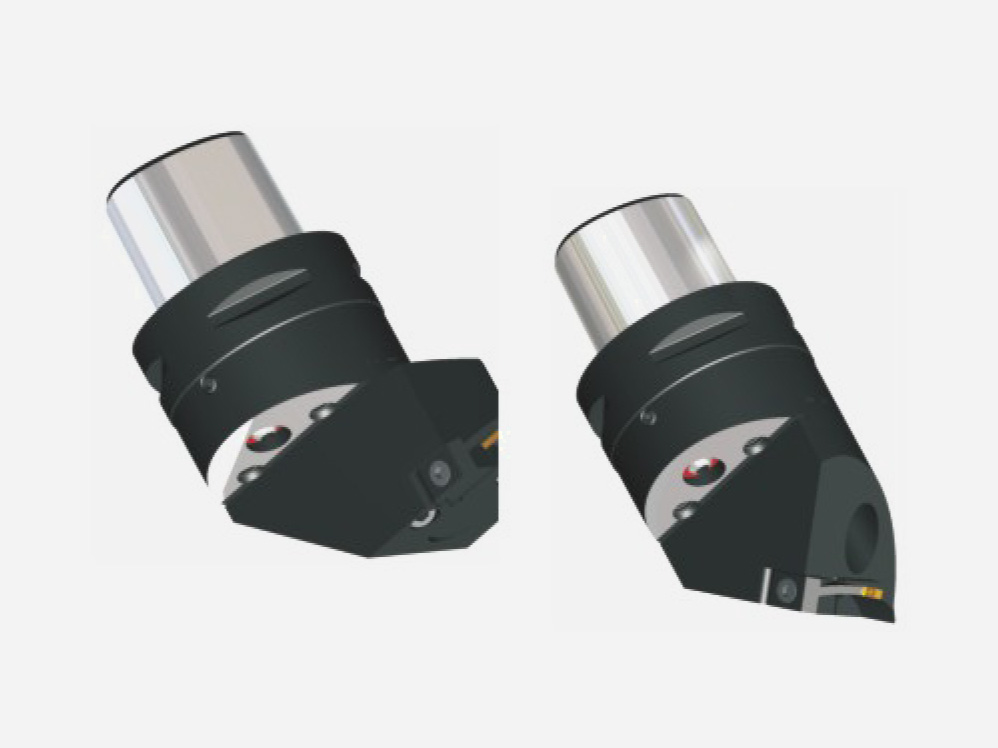
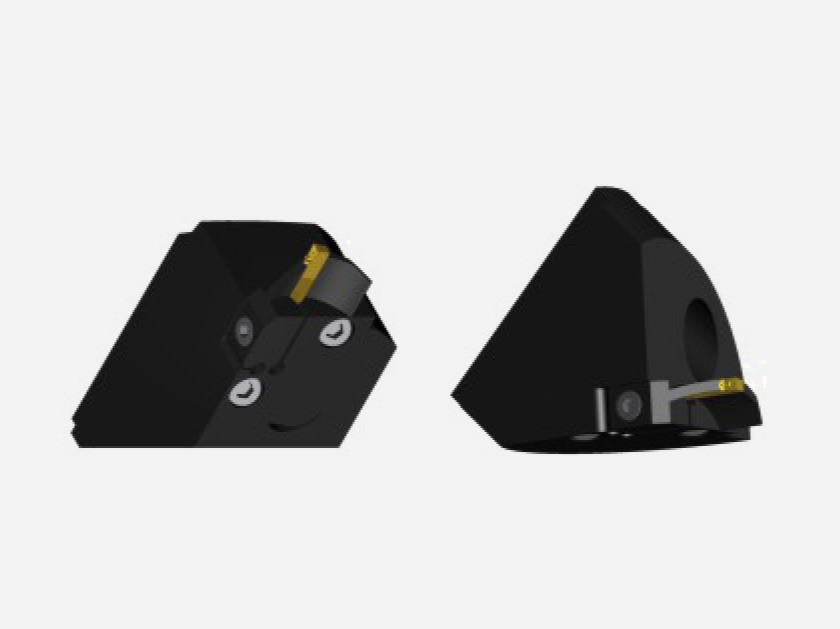
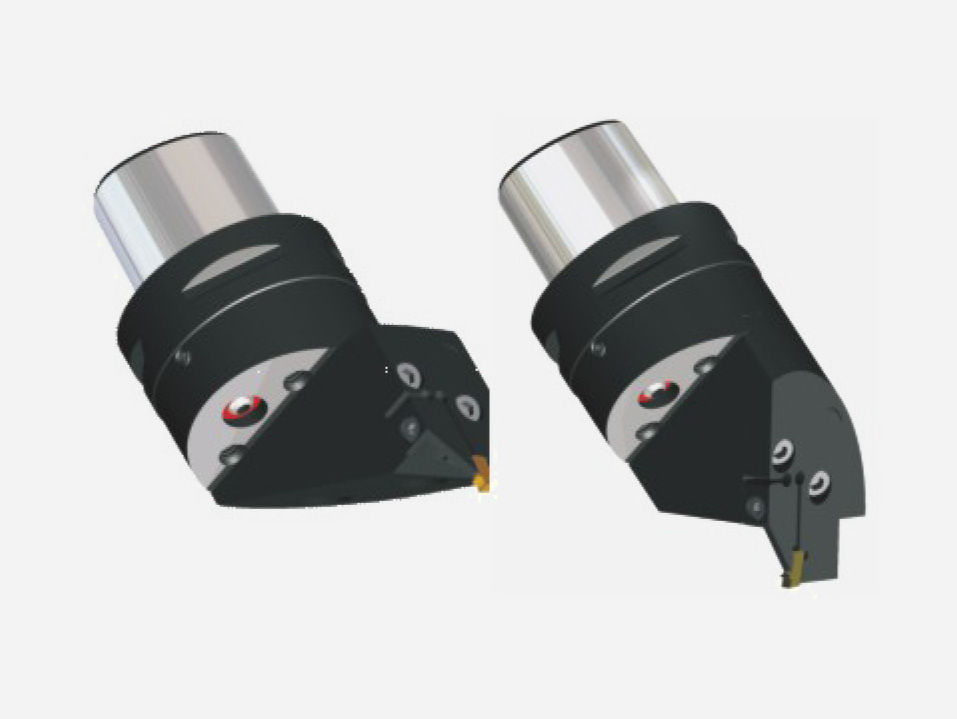
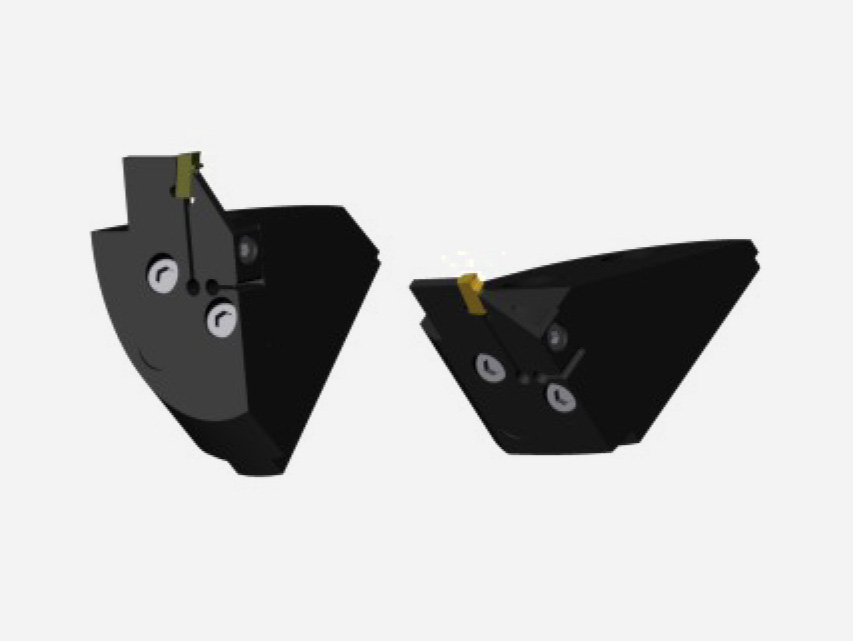
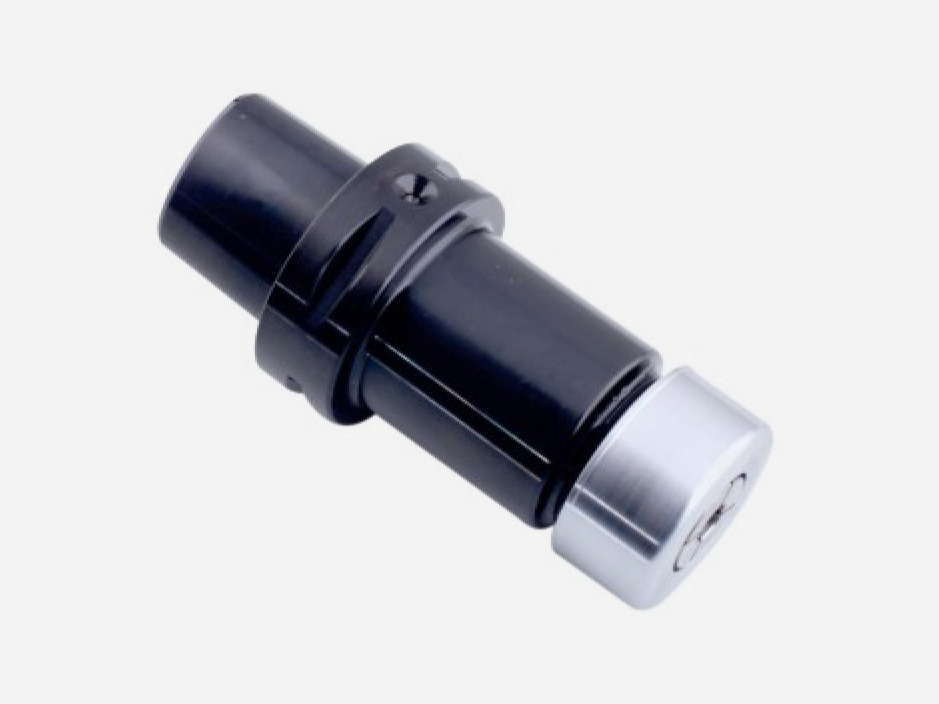
In the competitive world of precision machining, achieving optimal accuracy, efficiency, and tool longevity is crucial. Boring tool holders, precision tool holders, and PSC turning holders are integral components in ensuring high-quality machining outcomes. Each of these tool holders serves a unique function, but together they enhance the overall performance of CNC (Computer Numerical Control) machines. In this article, we will explore the distinct characteristics and advantages of boring tool holders, precision tool holders, and PSC turning holders, highlighting their importance in various machining applications.
A boring tool holder is a specialized tool holder designed to accommodate boring tools, which are used to enlarge or refine holes in workpieces. Unlike drills, which are used for creating holes, boring tools improve the accuracy and surface finish of existing holes. The boring tool holder is an essential part of a CNC lathe or milling machine, as it ensures the boring tool is securely fastened during operation and can maintain a stable, precise cutting action.
Boring tool holders typically feature adjustable settings that allow machinists to precisely control the depth and diameter of the hole being bored. These holders are engineered to minimize tool deflection and vibrations during the boring process, ensuring high tolerance and a superior finish. Common types of boring tool holders include:
Micro Boring Holders: Designed for small diameter boring tools, used for precision work on thin-walled or delicate materials.
Heavy-duty Boring Holders: Built for more robust applications that require larger cutting forces, often used in the automotive and aerospace industries for machining large parts.
Modular Boring Holders: These feature interchangeable components that allow machinists to customize the tool holder for different boring applications.
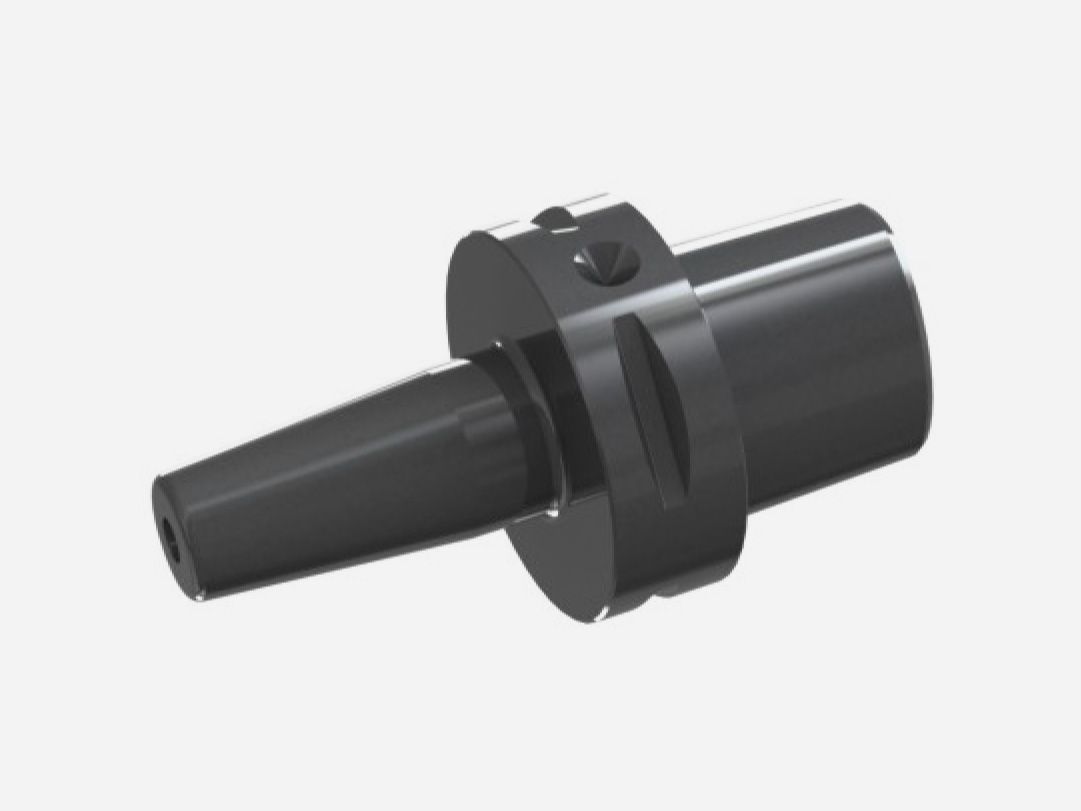
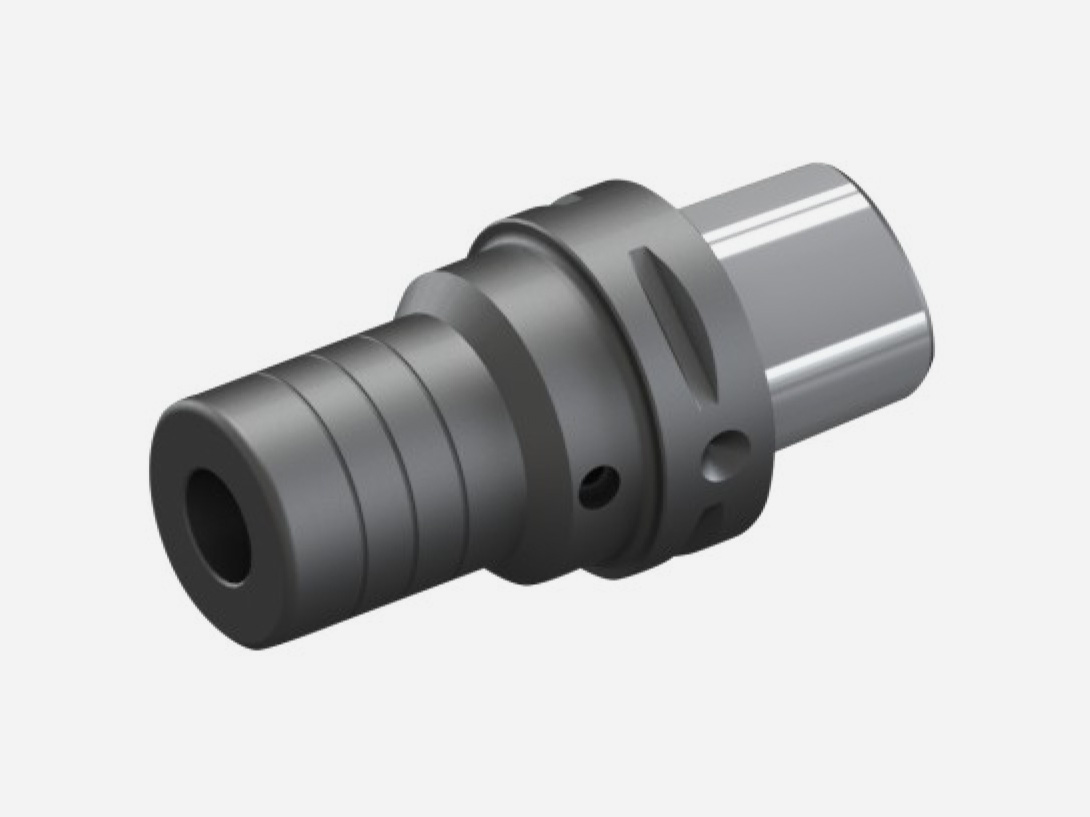
A precision tool holder is a highly rigid tool holder designed to maintain a tight tolerance and ensure minimal runout during machining operations. Precision tool holders are particularly important in operations that require extremely tight tolerances and high accuracy, such as in the aerospace, medical, and automotive industries.
These tool holders are designed to securely hold a variety of tools, including drills, taps, end mills, and reamers, while reducing vibrations and preventing tool deflection. Precision tool holders are made from high-strength materials such as steel or carbide and often feature advanced clamping mechanisms to minimize tool runout. By reducing runout, precision tool holders help achieve a higher level of machining accuracy, better surface finishes, and extended tool life.
There are several types of precision tool holders, each suited for specific applications:
Collet Chucks: Ideal for holding small-diameter tools with high precision. They are often used for light-duty and fine-cutting operations.
Hydraulic Tool Holders: These provide excellent damping properties, reducing vibrations and improving tool stability during high-speed machining.
Shrink Fit Tool Holders: Known for their minimal runout and high accuracy, shrink fit tool holders are used in applications where precision is critical, such as high-speed milling.
A PSC turning holder (Precision, Shrink, or Collet Turning Holder) is a specialized tool holder designed to enhance the performance of turning operations. Typically used in CNC turning centers, the PSC turning holder is engineered for high-precision turning applications, where stability, vibration dampening, and consistent tool positioning are essential.
PSC turning holders offer several key benefits over traditional tool holders:
Enhanced Precision: The design of the PSC turning holder ensures that the tool remains stable and aligned during the machining process, minimizing deflection and runout. This is particularly important in operations where tight tolerances are required, such as in the production of automotive components, medical devices, and aerospace parts.
Vibration Dampening: The use of advanced materials and engineering techniques in PSC turning holders helps to dampen vibrations during high-speed turning operations. This results in smoother cuts, better surface finishes, and extended tool life.
Versatility: PSC turning holders are highly versatile and can accommodate various types of cutting tools, including inserts, drills, and turning tools. This adaptability makes them suitable for a wide range of turning applications, from roughing to finishing operations.
Increased Tool Life: By reducing vibration and deflection, PSC turning holders help extend the life of cutting tools, reducing tool wear and minimizing the frequency of tool changes. This results in cost savings and more efficient machining operations.
In today’s competitive manufacturing environment, the ability to produce high-precision parts efficiently is essential. Boring tool holders, precision tool holders, and PSC turning holders each play a critical role in enhancing the capabilities of CNC machines and ensuring that machining operations are carried out with the utmost accuracy.
Improved Machining Accuracy: All three tool holders contribute to reducing tool deflection, minimizing runout, and maintaining tool alignment. This is particularly important in industries where tight tolerances are necessary. For example, in the aerospace and medical industries, components must meet stringent standards for dimensional accuracy, which these tool holders help achieve.
Enhanced Surface Finish Quality: The stability provided by these tool holders results in smoother cuts and better surface finishes. This is especially important in applications where the surface finish is critical, such as in the production of engine components, turbine blades, or medical implants.
Increased Tool Life: By minimizing vibrations and tool deflection, these tool holders reduce the wear on cutting tools, leading to longer tool life. This not only improves the efficiency of machining operations but also reduces downtime associated with tool changes and maintenance.
Flexibility and Adaptability: Each of these tool holders is designed to be highly versatile, accommodating a wide range of tools and machining operations. Whether it's boring, turning, or precision milling, these holders provide the necessary support to achieve high-quality results across different machining tasks.
Reduced Setup Time: The ability to perform multiple operations with the same tool holder reduces the need for tool changes and machine repositioning, which in turn reduces setup time and improves overall productivity.
As manufacturing technologies continue to advance, there are several emerging trends and innovations in the world of tool holders:
Smart Tool Holders: These tool holders incorporate sensors that monitor tool performance in real time, providing valuable data on tool wear, vibration levels, and machining parameters. This data helps optimize the machining process, improving efficiency and quality.
Advanced Materials: Tool holders are increasingly being made from high-performance materials such as carbide, ceramic, and composites. These materials offer superior wear resistance, increased strength, and better heat resistance, making them ideal for high-speed and high-temperature machining operations.
Modular Tool Holder Systems: The trend towards modular systems allows manufacturers to quickly switch between different types of tool holders depending on the operation. This flexibility reduces downtime and increases efficiency, particularly in environments where production runs change frequently.
Boring tool holders, precision tool holders, and PSC turning holders are integral components in the pursuit of high-precision machining. These tools provide the stability, accuracy, and versatility required to produce complex parts with tight tolerances and superior surface finishes. As technology continues to evolve, these tool holders will play an even more critical role in enhancing machining efficiency, reducing tool wear, and improving the overall quality of finished products. For manufacturers looking to remain competitive in industries such as aerospace, automotive, and medical devices, investing in high-quality tool holders is essential for achieving long-term success.


