+86-573-83996043
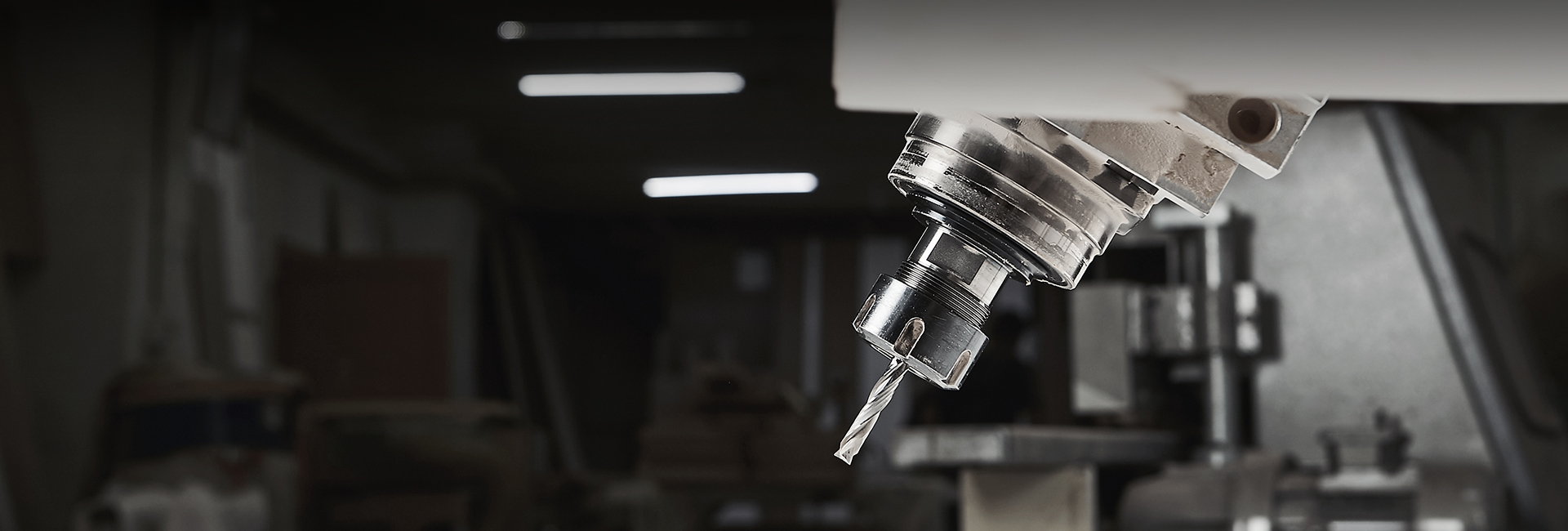
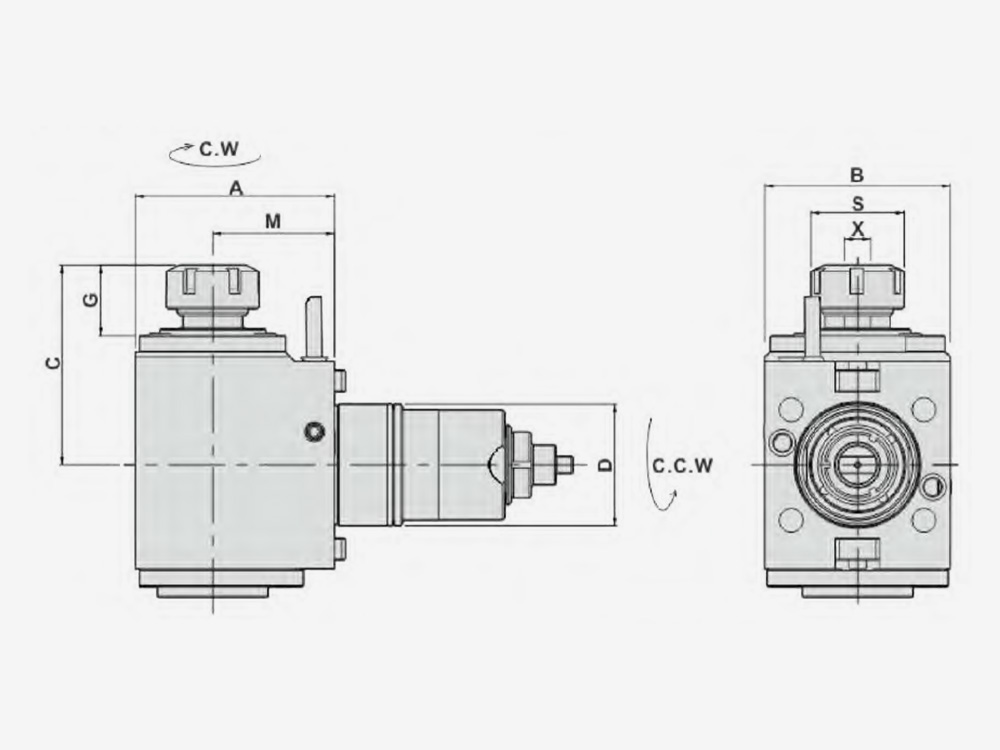
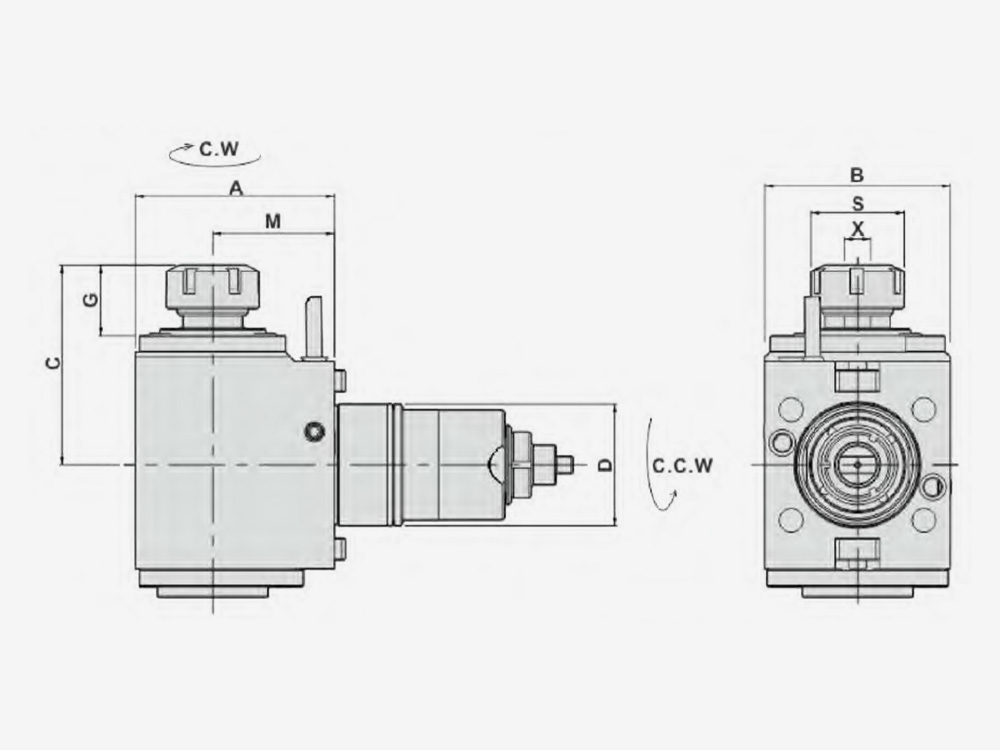
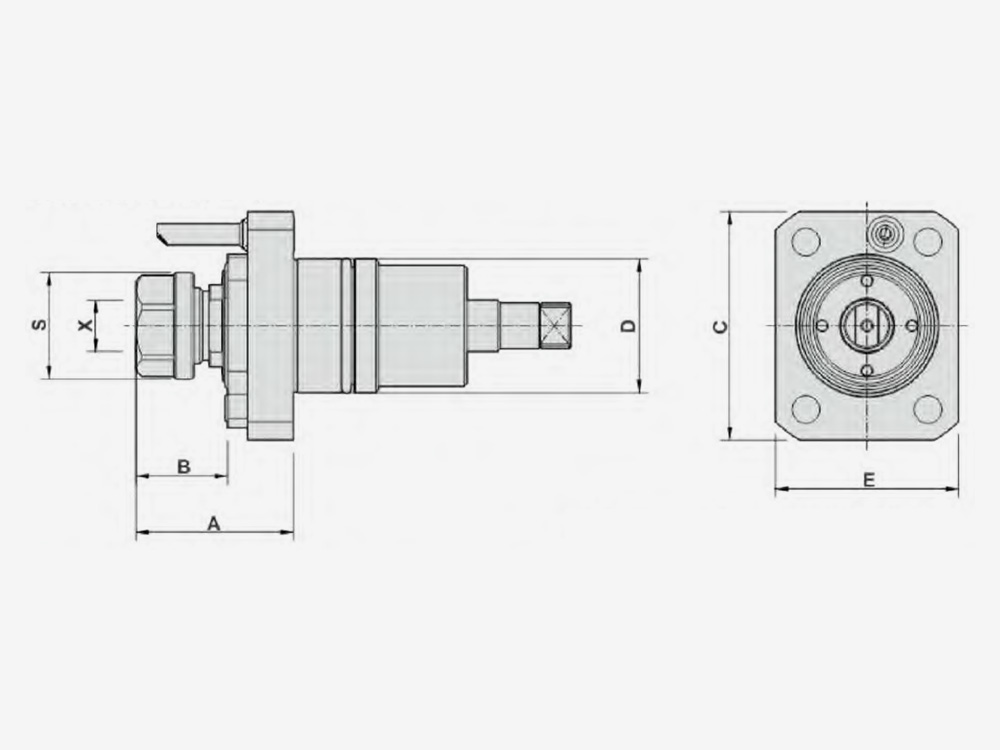
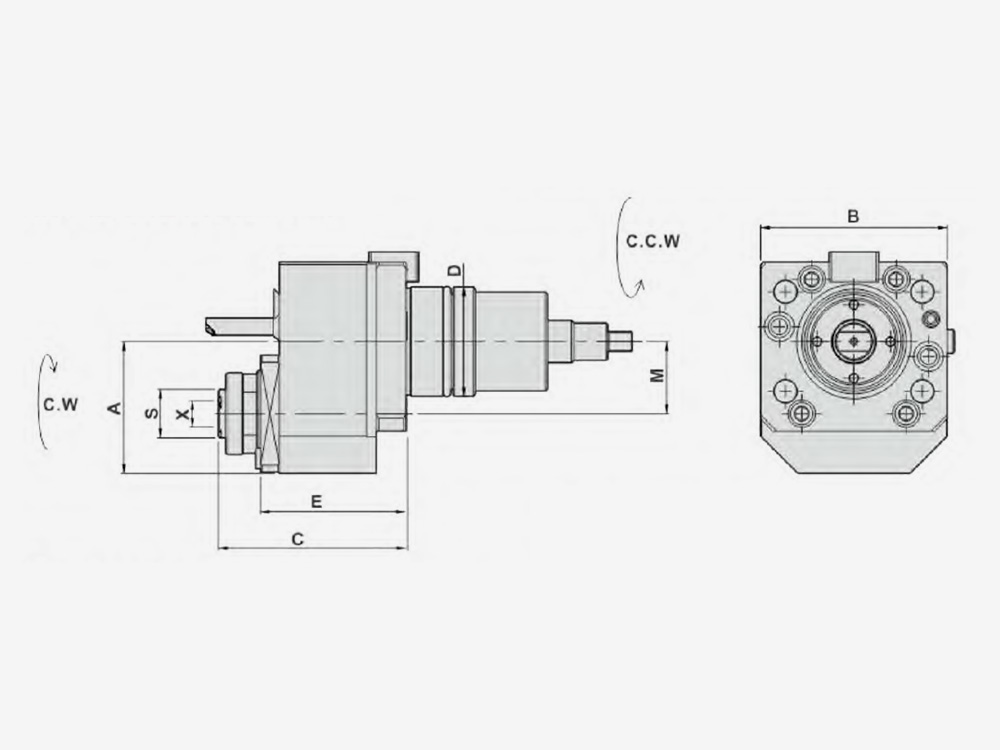
In the world of precision machining, the ability to create accurate, high-quality holes in a variety of materials is a key aspect of producing complex components. Boring heads, fine boring heads, and rough boring heads are essential tools used in machining operations to achieve these goals. Each of these tools serves a specific purpose, from roughing out material to achieving high-precision finishes. This article delves into the roles and advantages of these tools, how they differ, and the key benefits they bring to modern manufacturing.
A boring head is a tool holder used in CNC machines and lathes to enlarge and refine holes. Unlike drilling, which creates holes of fixed diameters, boring is a process that allows for the precise adjustment of the hole’s diameter, often in situations where high accuracy is required. Boring heads are typically used when the hole diameter needs to be increased or when tighter tolerances and surface finishes are needed.
The boring head works by holding a cutting tool, often a boring bar, in place. As the cutting tool is rotated, it removes material from the inside of an existing hole, gradually increasing its size. The boring head is adjustable, allowing machinists to make fine adjustments to the tool’s position, ensuring that the desired hole diameter is achieved with high precision.
Fine boring heads are a specialized type of boring head designed for ultra-precise hole finishing. These tools are ideal for applications that demand extremely tight tolerances, such as in the aerospace, automotive, and medical industries. Fine boring heads are typically used for small to medium-sized holes that require a smooth finish and high concentricity.
The key advantage of fine boring heads is their ability to provide fine adjustment of the tool’s position, often to the micron level. This precision is achieved through a combination of fine-tuning mechanisms and high-quality materials that ensure minimal tool deflection and vibration.
Fine boring heads typically feature:
Micro-adjustment capabilities: These allow for precise control over the tool’s depth of cut and diameter. Fine adjustments can be made in increments as small as 0.001 mm, making them ideal for applications where exact hole dimensions are critical.
High-quality construction: To achieve the precision needed for fine boring, these tools are made from high-strength materials such as carbide or high-speed steel. This construction ensures durability and longevity while maintaining tight tolerances.
Stable design: Fine boring heads are designed to minimize vibrations and deflection, ensuring the cutting tool stays aligned throughout the machining process, even during high-speed operations.
In contrast to fine boring heads, rough boring heads are used for the initial stages of boring operations, particularly when large amounts of material need to be removed quickly. These tools are designed to be more robust and capable of handling higher cutting forces. Rough boring heads are typically used in operations where speed is prioritized over the high-precision finish, such as in rough machining or when preparing holes for further finishing.
Rough boring heads are characterized by:
Larger tool inserts: These tools often feature larger cutting inserts or carbide tips, allowing them to handle larger material removal rates without compromising their structural integrity.
Higher cutting forces: Since rough boring heads are designed to remove a significant amount of material, they are built to withstand greater cutting forces and vibration. This makes them ideal for applications in industries where speed and material removal are critical, such as in heavy-duty machining of automotive components, castings, or structural parts.
Adjustable settings: Similar to fine boring heads, rough boring heads offer the ability to adjust the tool’s position to control the hole diameter. However, the adjustment mechanisms in rough boring heads are generally designed for larger adjustments, making them suitable for roughing out larger holes.
While both fine boring heads and rough boring heads are used for enlarging holes, the key differences between these tools lie in their intended use and design features:
Precision vs. Speed: Fine boring heads are designed for precision and are used for the final stages of hole finishing, where tight tolerances and smooth surface finishes are required. Rough boring heads, on the other hand, are used for material removal in the initial stages, where speed and efficiency are prioritized over the finish.
Tool Construction: Fine boring heads are typically made from high-quality materials that provide excellent rigidity and stability, while rough boring heads are built to withstand higher forces and accommodate larger inserts.
Adjustment Mechanisms: Fine boring heads offer fine adjustments in small increments (often down to microns), while rough boring heads are designed for more substantial adjustments to remove larger amounts of material quickly.
Application Areas: Fine boring heads are used in applications where precision and surface finish are critical, such as aerospace, medical, and automotive industries. Rough boring heads are used in more industrial applications where the focus is on high-speed material removal, such as in the production of large castings or heavy-duty automotive components.
Boring heads, including both fine boring heads and rough boring heads, are essential tools in modern machining operations. By enabling precise control over hole size and surface finish, these tools are vital in industries that require complex, high-precision components.
Improved Hole Accuracy: With the ability to adjust the diameter and depth of a hole with great precision, boring heads are key to achieving tight tolerances in various machining operations.
Enhanced Surface Finish: Fine boring heads, in particular, help achieve smooth, high-quality surface finishes, which are important in applications where surface quality is critical, such as in the aerospace and automotive industries.
Higher Productivity: Rough boring heads significantly reduce the time required to rough out large holes, improving overall machining efficiency. This is especially valuable in high-volume manufacturing environments, where reducing cycle times is essential.
Versatility: Boring heads can be used in a wide range of applications, from fine finishing to heavy-duty roughing. Their ability to handle different materials and machining conditions makes them a versatile tool for CNC machining, turning, and milling operations.
As manufacturing technologies evolve, there have been several innovations in the design and functionality of boring heads:
Modular Boring Heads: Modular boring heads offer flexibility by allowing operators to switch out components, such as cutting inserts or extensions, depending on the machining requirements. This modularity helps reduce downtime and increases tool versatility.
Digital Adjustments: Some modern boring heads come with digital readouts for fine adjustments, providing machinists with greater precision and reducing the likelihood of human error in setting tool offsets.
High-Performance Materials: The development of advanced materials, such as carbide and ceramic composites, has improved the performance and durability of boring heads. These materials allow for faster cutting speeds, longer tool life, and better resistance to wear.
Automation Integration: The integration of boring heads with automated CNC systems and tool changers is another trend. This integration enhances productivity by allowing for quicker tool changes and more precise control over machining operations.
Boring heads, including fine boring heads and rough boring heads, are indispensable tools in the world of precision machining. Whether it's achieving ultra-tight tolerances with fine boring heads or efficiently removing large amounts of material with rough boring heads, these tools enable manufacturers to create high-quality, complex components. The continued evolution of boring head technology, driven by innovations in materials, adjustability, and automation, will further enhance the capabilities of CNC machines, enabling manufacturers to meet the increasing demands for speed, precision, and surface finish quality in their production processes.


