


Tap breakage and premature tool wear are common challenges in CNC tapping operations. A damaged tap can leave a broken tool inside a workpiece, interrupt production, increase scrap rates, and raise machining costs. For manufacturers processing automotive components, electronic parts, and precision mechanical components, maintaining consistent thread quality while extending Tapping Tool Life is essential for efficient production.
Reducing these problems requires more than simply replacing worn taps. Tool selection, pre-drilled hole dimensions, spindle speed, feed synchronization, chip evacuation, lubrication, and tapping head performance all influence the machining result. Choosing a suitable V Type Tapping Head and optimizing the overall tapping process can help manufacturers improve operational stability, reduce avoidable tool damage, and maintain consistent thread quality.
Why Do Taps Break or Wear Prematurely?
Several factors can contribute to tap failure. Excessive cutting torque is one of the most common causes, particularly when the pre-drilled hole is too small or the workpiece material creates high cutting resistance. In blind-hole tapping, accumulated chips can block the flutes and increase torque as the tap advances. If the tap reaches the bottom of the hole before completing the programmed movement, axial loading can also cause sudden breakage.
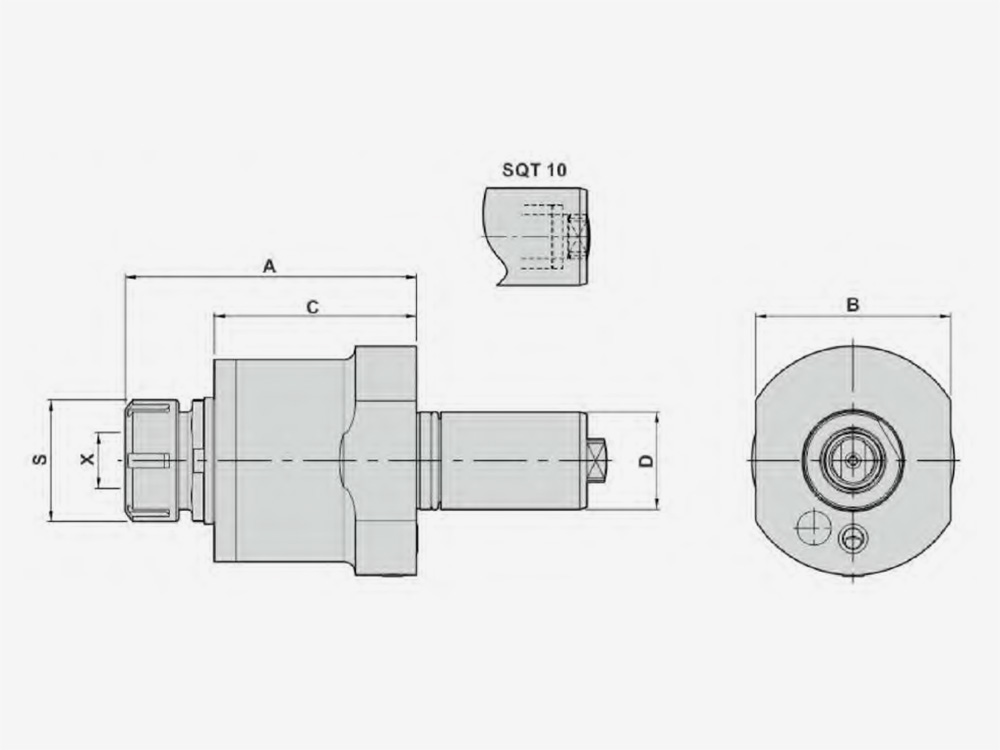
Incorrect cutting parameters create additional risks. When spindle rotation and axial feed are not synchronized with the thread pitch, the tap may experience unnecessary tensile or compressive forces. Excessive cutting speed can accelerate wear and heat generation, while insufficient lubrication increases friction between the cutting edges and the workpiece. Tool misalignment, spindle runout, and vibration can further distribute cutting forces unevenly across the tap, leading to chipped edges, inconsistent threads, or premature failure.
How to Prevent Tap Breakage Through Proper Tool Selection
Selecting the right tap for the material and thread specification is the first step toward reliable CNC tapping. Different materials require different cutting geometries, coatings, and operating parameters. Aluminum, carbon steel, stainless steel, and other engineering materials do not generate the same cutting resistance or chip characteristics. Manufacturers should therefore follow the tap supplier's recommendations rather than applying identical settings to every material.
Pre-drilled hole diameter is equally important. An undersized hole increases the amount of material removed during tapping and can significantly raise cutting torque. An oversized hole, however, may reduce thread engagement below the required level. The correct drill diameter should be determined by the thread specification, material, and required thread strength. For blind holes, engineers should also verify the available depth for the full thread, chip accumulation, and the tap's runout or clearance requirements.
Tap geometry must match the hole configuration. Through holes and blind holes may require different flute designs to manage chip flow effectively. For deep holes or difficult-to-machine materials, the selected tap should provide suitable chip evacuation and cutting performance. Correct tool selection reduces unnecessary loads before the tapping head even begins to influence the process.
Optimize Tapping Parameters to Extend Tapping Tool Life
Appropriate cutting parameters help keep tapping forces within an acceptable range. Spindle speed should be selected according to the workpiece material, tap material, tap geometry, and manufacturer's recommendations. For synchronized tapping, the axial feed must match the thread pitch and spindle speed. For example, a metric M8 × 1.25 thread requires an axial feed of 1.25 mm per spindle revolution. Incorrect synchronization can place additional stress on the tap and compromise thread accuracy.
Lubrication and chip evacuation are equally important. Cutting fluid helps reduce friction and heat while supporting smoother chip movement. In blind-hole applications, chip accumulation requires particular attention because restricted chip flow can cause a rapid increase in cutting torque. Depending on the tap design and hole geometry, suitable flute selection, effective coolant delivery, and an appropriate tapping cycle can help prevent chip packing. For deep or difficult holes, the machining strategy should be validated through controlled testing rather than relying on a universal speed or depth setting.
Depth control is another essential consideration. The programmed tapping depth must account for the required full-thread length, the drill-point geometry, and the clearance needed at the bottom of the hole. Excessive depth can cause the tap to bottom out, while insufficient depth may produce an incomplete thread. Verifying these conditions before production helps reduce tool damage and avoid costly rework.
How a V Type Tapping Head Can Help Reduce Tool Wear
The tapping head forms an important connection between the machine tool and the tap. Its construction, alignment, and operating characteristics influence how consistently cutting forces are transmitted during the threading cycle. A suitable V Type Tapping Head can support a more stable tapping process when correctly matched to the machine, tap, and workpiece requirements.
Anti-vibration construction is relevant because excessive vibration can contribute to uneven cutting loads, poor thread finish, and premature cutting-edge damage. A stable tool setup helps reduce unwanted movement during engagement and cutting. However, vibration can also originate from spindle runout, loose clamping, worn machine components, or unsuitable cutting parameters. The tapping head should therefore be evaluated as part of the complete machining system rather than as an isolated solution.
Adjustable tapping depth can also help operators control thread depth more consistently, particularly when processing blind holes. Correct adjustment reduces the risk of overtravel and helps establish repeatable machining conditions across production batches. Operators should verify the adjustment against the actual workpiece geometry and the manufacturer's instructions before running a full production cycle.
Durable construction and appropriate machine compatibility are additional selection considerations. Before choosing a V Type Tapping Head, manufacturers should confirm the mounting interface, machine configuration, supported tap sizes, operating limits, and required depth-control functions. Exact specifications and available configurations should be checked against the product documentation. When the tapping head is properly matched to the application, it can contribute to more consistent machining and more effective Tapping Tool Life management.
Maintenance Practices for Longer Tapping Tool Life
Regular inspection helps identify the conditions that often lead to premature failure. Operators should examine taps for worn cutting edges, chipping, deformation, and material buildup. The tapping head, clamping components, and machine interface should also be checked for contamination, looseness, and abnormal wear. Excessive runout or poor alignment can affect the entire threading process, even when a new tap is installed.
Cleaning and lubrication should follow the equipment manufacturer's maintenance instructions. Chips and cutting-fluid residue should be removed from relevant contact surfaces, and any specified lubrication intervals should be observed. Unapproved lubricants or cleaning methods may affect internal components, so maintenance procedures should be based on the manufacturer's guidance.
Manufacturers can also establish a practical tool-life monitoring program. Recording the number of tapping cycles, tool changes, thread inspection results, and failure modes helps identify recurring problems. If taps repeatedly break at the same depth, for example, the cause may be a depth-setting or chip-clearance issue rather than normal tool wear. If wear accelerates across different jobs, cutting parameters, lubrication, material variation, and machine condition should be reviewed systematically.
Troubleshooting Common CNC Tapping Problems
When a tap breaks near the bottom of a blind hole, check the programmed depth, bottom clearance, and chip accumulation. If breakage occurs during initial engagement, inspect the pre-drilled hole diameter, tap alignment, and feed synchronization. Rapid cutting-edge wear may indicate unsuitable cutting parameters, inadequate lubrication, or a mismatch between the tap geometry and the workpiece material. Inconsistent thread quality can also result from spindle runout, unstable clamping, or worn tooling components.
A structured troubleshooting process is more effective than changing several variables at once. Check the failed tool, inspect the hole, verify the machine settings, and compare the results with a correctly machined sample. Changing one parameter at a time makes it easier to identify the actual cause and establish a repeatable correction. Thread gauges and other appropriate inspection methods should be used to confirm that the corrective action maintains the required thread dimensions and quality.
Choosing the Right V Type Tapping Head for Your Application
Selecting a V Type Tapping Head requires consideration of the machining environment as well as the thread specification. Buyers and manufacturing engineers should confirm machine compatibility, tap dimensions, material type, hole depth, production volume, and the level of depth control required. They should also review the available technical documentation to determine whether the selected configuration meets the application's operating requirements.
For high-volume production, the evaluation should extend beyond the initial tooling cost. Tap consumption, machine downtime, scrap rates, setup time, and inspection requirements all contribute to the total cost of threading. A suitable tapping head, combined with correct cutting parameters and preventive maintenance, can help manufacturers improve process consistency and control these operating expenses. Trial machining under representative production conditions provides a practical way to assess performance before wider implementation.


